
 https://psf.ca/wp-content/uploads/2025/07/1.png
900
1000
Chloe Fraser
/wp-content/uploads/2022/04/PSF-Logo-2022-min.png
Chloe Fraser2025-07-15 12:26:412025-07-17 05:29:28CELEBRATING VIU’S EMERGING SALMON LEADERS
https://psf.ca/wp-content/uploads/2025/07/1.png
900
1000
Chloe Fraser
/wp-content/uploads/2022/04/PSF-Logo-2022-min.png
Chloe Fraser2025-07-15 12:26:412025-07-17 05:29:28CELEBRATING VIU’S EMERGING SALMON LEADERSHow we support salmon
Watershed
Initiatives
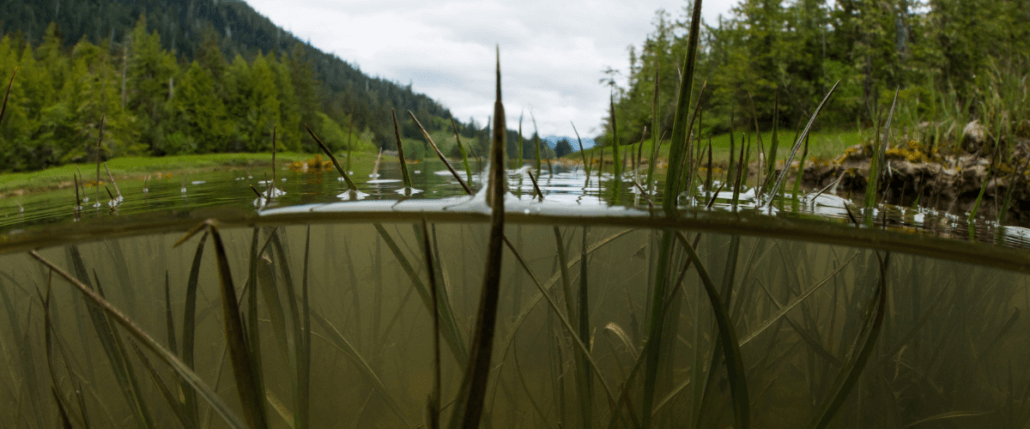
Our Salmon Watersheds Program is actively strengthening the baseline of scientific information available for wild Pacific salmon populations and their habitats.
Community
Investments
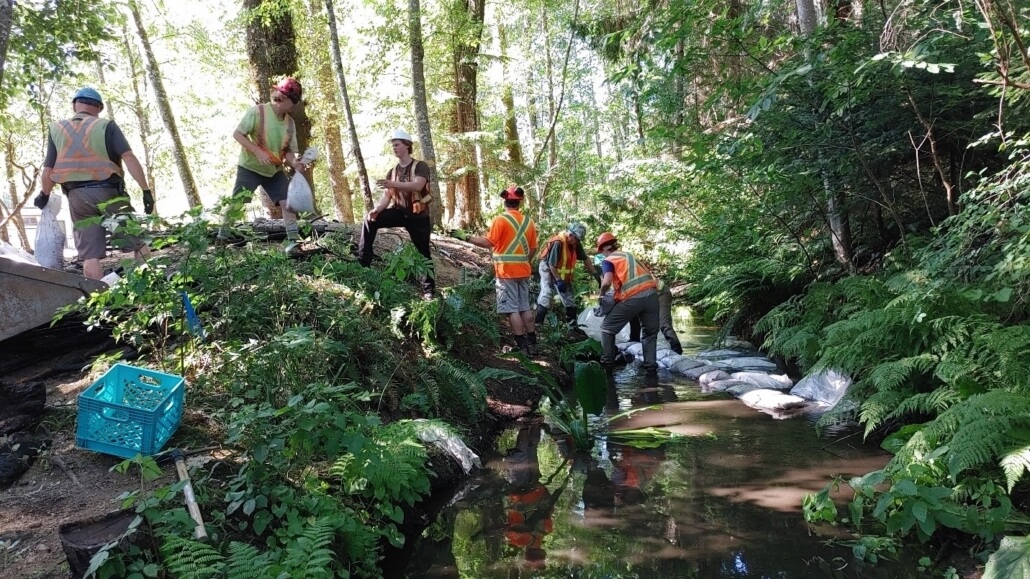
Our Community Salmon Program supports volunteer and community–driven organizations that undertake salmon conservation and restoration projects.

Marine Habitat
Conservation
Our research efforts, conservation initiatives, and commitment to salmon health studies make up our Marine Science program in the Salish Sea.
The State of Salmon Report
The heartbeat of the Pacific Northwest
Pacific salmon are in decline across British Columbia and the Yukon, according to PSF’s State of Salmon Report. More than 70 per cent of salmon are below their long-term average of the 41 combinations of regions and species assessed. While the State of Salmon Report underscores widespread salmon declines, there are hopeful exceptions that highlight the resilience of Pacific salmon and opportunities for recovery.
News & Stories
https://psf.ca/wp-content/uploads/2025/07/1.png
900
1000
Chloe Fraser
/wp-content/uploads/2022/04/PSF-Logo-2022-min.png
Chloe Fraser2025-07-15 12:26:412025-07-17 05:29:28CELEBRATING VIU’S EMERGING SALMON LEADERS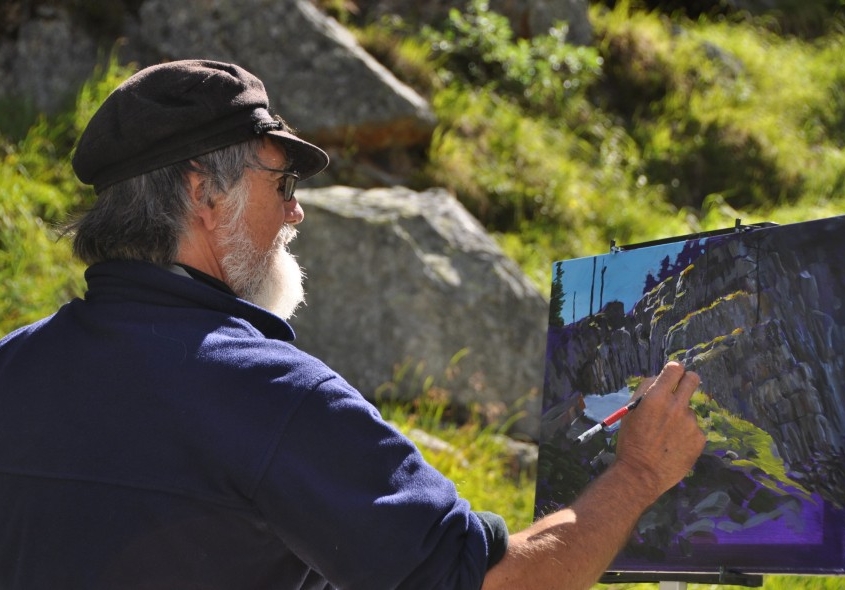 https://psf.ca/wp-content/uploads/2024/11/dsc_0473-1332814683-920x590-1.jpg
590
888
Chloe Fraser
/wp-content/uploads/2022/04/PSF-Logo-2022-min.png
Chloe Fraser2025-06-23 14:09:332025-06-23 14:18:15CALL FOR ARTISTS! 2026-2027 SALMON CONSERVATION STAMP ART COMPETITION
https://psf.ca/wp-content/uploads/2024/11/dsc_0473-1332814683-920x590-1.jpg
590
888
Chloe Fraser
/wp-content/uploads/2022/04/PSF-Logo-2022-min.png
Chloe Fraser2025-06-23 14:09:332025-06-23 14:18:15CALL FOR ARTISTS! 2026-2027 SALMON CONSERVATION STAMP ART COMPETITION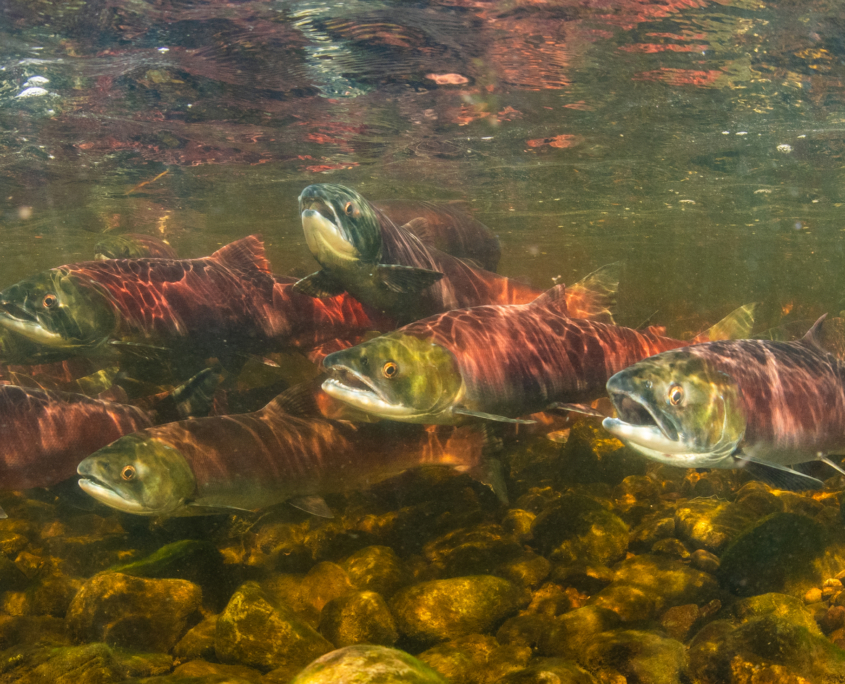 https://psf.ca/wp-content/uploads/2025/06/FL203599-scaled.jpg
1707
2560
Braela Kwan
/wp-content/uploads/2022/04/PSF-Logo-2022-min.png
Braela Kwan2025-06-16 12:36:202025-06-27 14:12:18Putting sustainable B.C. salmon fisheries first
https://psf.ca/wp-content/uploads/2025/06/FL203599-scaled.jpg
1707
2560
Braela Kwan
/wp-content/uploads/2022/04/PSF-Logo-2022-min.png
Braela Kwan2025-06-16 12:36:202025-06-27 14:12:18Putting sustainable B.C. salmon fisheries firstTo read more news and stories, click here.