Report Drought Affecting Salmon.

If you see drought conditions in your area that are impacting salmon habitat or might be impeding salmon migration, please use the public reporting tool.

Program feature: Wildfire Recovery

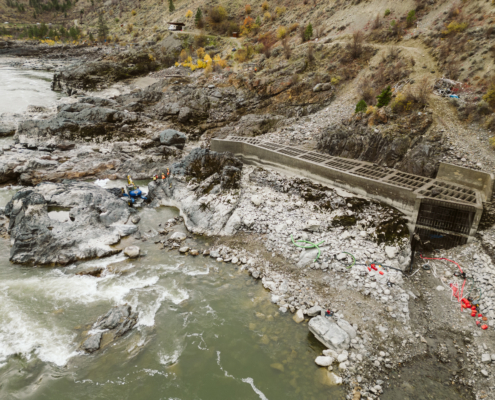
Wildfires are becoming fiercer and more frequent in British Columbia, raising the stakes for salmon. Designed to help salmon and their habitats recover after wildfires, PSF recently launched a ‘Wildfire Playbook’ offering guidance to integrate salmon into post-wildfire recovery planning. In September, the Wildfire Playbook was put into action in the Nahatlatch Valley near Boston Bar – an area that experienced a devasting wildfire in August 2023. With support from PSF and the First Nations Fisheries Council of B.C., DFO and Boothroyd Indian Band have improved habitat conditions for juvenile salmon in the Nahatlatch River.

Climate Adaptation & Salmon

Some factors related to climate change, such as warming waters, may be beyond our control, but PSF’s Climate Adaptation Program is focused on addressing the factors that we can take action on.

The Climate Adaptation Program also focuses on research and solutions to advance salmon recovery on issues related to human impacts. Some projects address challenges to habitat access caused by human activities, urban contamination of salmon-bearing watersheds, and broad-scale recovery planning for rivers where salmon have been impacted by development, climate change, and other factors.

Climate change is one of the most pressing risks to Pacific salmon populations. Salmon feel the effects of climate change at every stage of their life cycle, especially during spawning and juvenile development stages when they rely on freshwater habitats. The increase of extreme events like floods, droughts, landslides, and fires can elevate water temperatures, increase or decrease flows, alter freshet timing – and ultimately, lead to detrimental changes for Pacific salmon. Effects of climate change can block salmon migrations, reduce habitat availability and quality, increase disease and stress risks, heighten vulnerability to predation, and deplete salmon’s energy and metabolism.

However, it’s not all doom and gloom. There are actions we can take to advance climate adaptation and give salmon a fighting chance at recovery amid changing conditions. We are motivated to be nimble in response to climate emergencies for salmon and to be thoughtful in long-term approaches to salmon recovery and resilience planning in the face of climate change.

Current Projects

The Climate Adaptation Program focuses on taking action to help salmon adapt and recover in the face of climate change with a diverse network of partners through emergency funding, long-term recovery planning, and innovative pilot projects. PSF acknowledges the British Columbia Salmon Restoration and Innovation Fund — a joint program from the Government of Canada and the Province of B.C. — for their generous support of many of these projects.

  • Climate Emergency Response

    Rapid action to address urgent salmon survival and migration challenges caused by extreme climate events such as drought, flood, and wildfire.

  • Public Drought Reporting Tool

    You can report low flows, warm waters, or other drought conditions in your community that are harming salmon habitat, blocking salmon migration, or causing fish to die, helping determine if action is needed on a case-by-case basis.

  • Wildfire Playbook

    Solutions to help salmon and their habitats recover after wildfires burn in salmon-bearing watersheds.

  • Salmon and Agriculture

    Exploring avenues to provide salmon with seasonal access to agricultural lands in the Fraser River floodplain.

  • Upper Fraser Chinook Recovery

    PSF and Upper Fraser Fisheries Conservation Alliance are creating a recovery plan for spring-run Chinook in the Upper Fraser, a population of high conservation concern.

  • Heart of the Fraser Conservation Strategy

    Developing a conservation strategy for the Heart of the Fraser River area from Mission to Hope, focusing on salmon and other key species in the ecosystem, such as sturgeon. This is a highly collaborative effort with partners, including PSF, Rivershed Society of B.C., and others.

  • Fraser Migration Impediments

    A past project assessed potential migration impediments for early-run Chinook salmon in the Fraser River canyon following the Big Bar landslide.

  • Genetic Adaptability

    Developing advanced techniques to study genetic differences between salmon populations in the Upper Fraser, using these insights to guide conservation and rebuilding efforts.

  • Tire Wear Toxin 6PPD-Q

    6PPD, a chemical used to prolong the lifespan of tires and as they wear down, they release particles into stormwater, which flows into urban streams. 6PPD-Q has been linked to coho salmon mortalities, and research is underway to understand the full extent of its effect in urban environments.

Supporting Game Changers

PSF provides funding to game-changing restoration projects in major salmon-bearing watersheds with funding. The projects led by partners are highly collaborative and have the potential to facilitate transformational, meaningful change for salmon and their habitats.

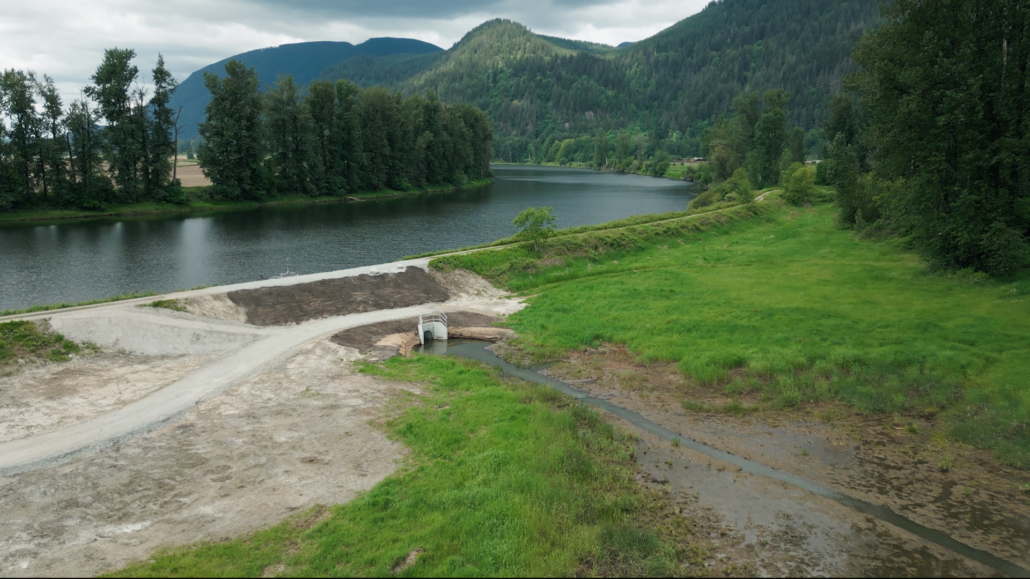
Fish-Friendly Floodgate

A new floodgate in the Fraser Valley creates access to five hectares of wetland habitat for salmon that was previously inaccessible for 70 years. Led by Leq’a:mel First Nation, the North Nicomen Diking District, Resilient Waters, and Watershed Watch. Supported by the B.C. Salmon Restoration and Innovation Fund and PSF.

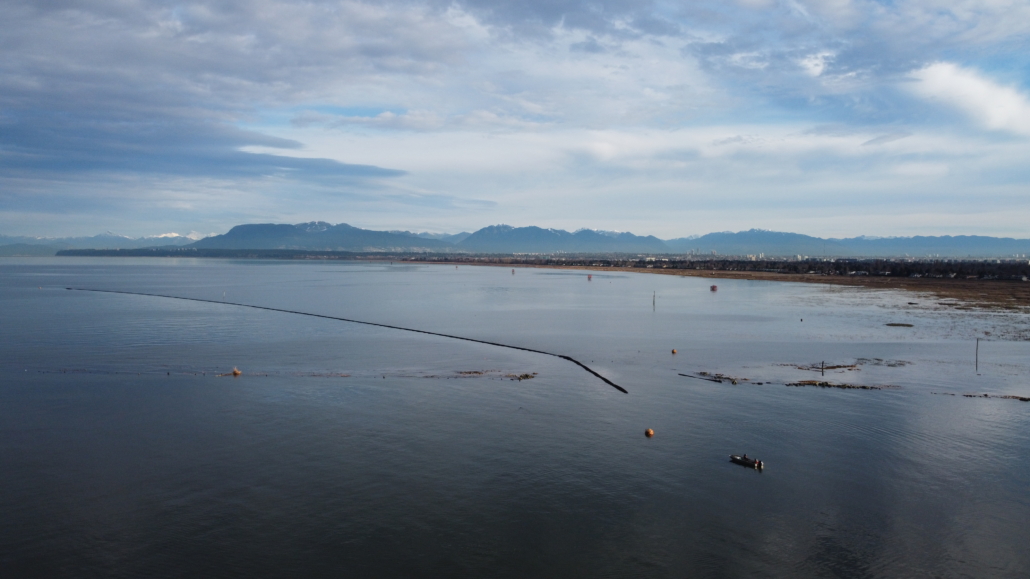
Sturgeon Bank Restoration

An ongoing, multi-year project reverses decades of marsh degradation in the Fraser River estuary near Richmond to improve habitat for juvenile salmon. Led by Ducks Unlimited Canada in partnership with Fisheries and Oceans Canada, the Province of British Columbia, Raincoast Conservation Foundation, Tsawwassen First Nation, and the Lower Fraser Fisheries Alliance. Supported by the B.C. Salmon Restoration and Innovation Fund and PSF.

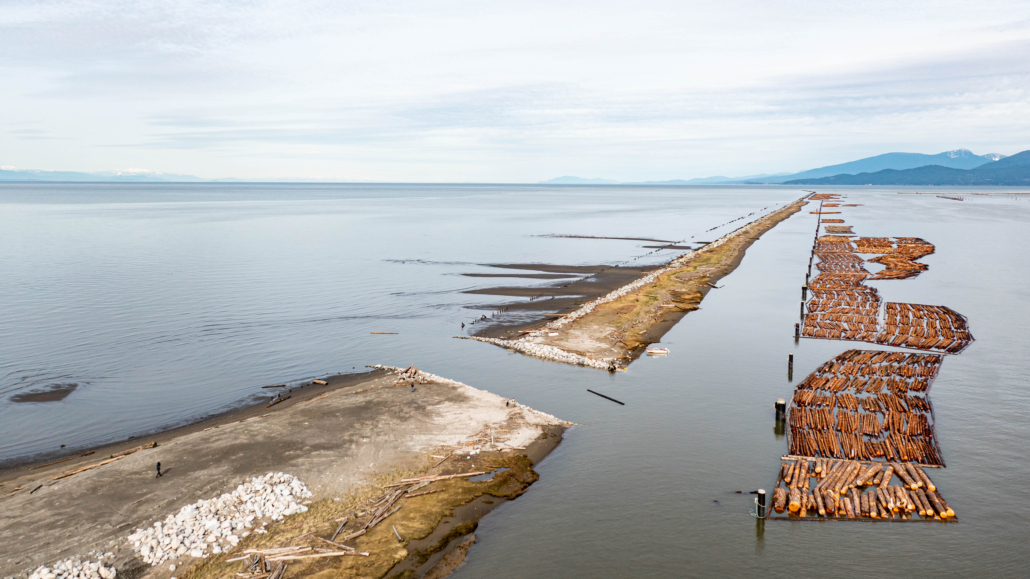
Jetty Breach in the Fraser River

A salmon habitat restoration project creates an opening in a seven-kilometre-long structure that has blocked salmon habitat for over a century. Led by the Raincoast Conservation Foundation and partners, including PSF, Ducks Unlimited Canada, Tsawwassen First Nation, and Lower Fraser Fisheries Alliance.

News and Stories

Finding the ‘cold’ in the Coldwater River

, ,
What connects British Columbia’s lush west coast to the arid, dry Nicola Valley in the Southern Interior? Look no further than the Pacific salmon migration. As salmon travel from the coast into the Nicola Valley, they bring an important pulse of nutrients inland. The Coldwater River, the largest tributary of the Nicola River, is critical for both juvenile and adult salmon.
Drought conditions dried up a salmon-bearing river near Kamloops, B.C., leaving narrow channels and dried up habitat.

As B.C. enters another drought season, how will salmon fare?

,
Extreme drought conditions have impacted watersheds in British Columbia for several years, and 2025 is no exception. Emergency fish salvage and monitoring efforts are underway due to exceptionally warm and dry weather this year that has led to low flows and warm waters, causing life-threatening challenges for salmon.
Researchers hold water sample bags from the river, canal, and floodplain, demonstrating the productivity of invertebrates in the floodplain.

Reviving floodplains for salmon in the Fraser River

, ,
Floodplains provide critical, food-rich habitat for juvenile salmon. These low-lying areas adjacent to stream channels allow young salmon to grow healthy and strong before their journey to the ocean. Floodplains form seasonally when water…

Thank you to the BC Salmon Restoration and Innovation Fund for their generous support of the PSF Climate Adaptation Program.