Major workshop celebrates research into Pacific herring
Photo credits: Geoff Howe for Kotawân Media, Michelle Buchholz
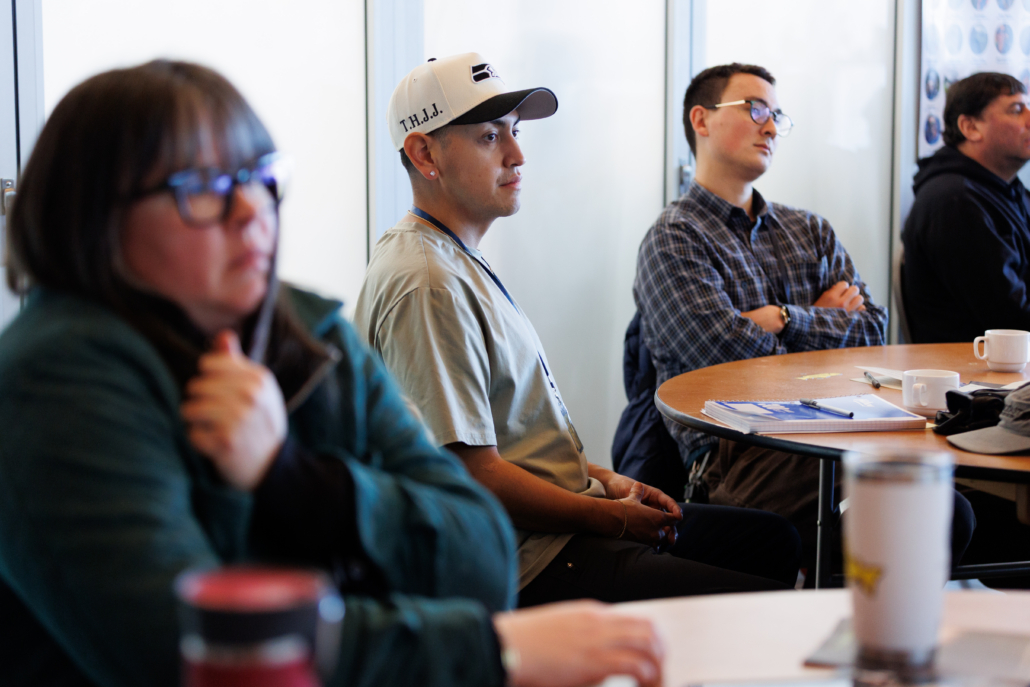
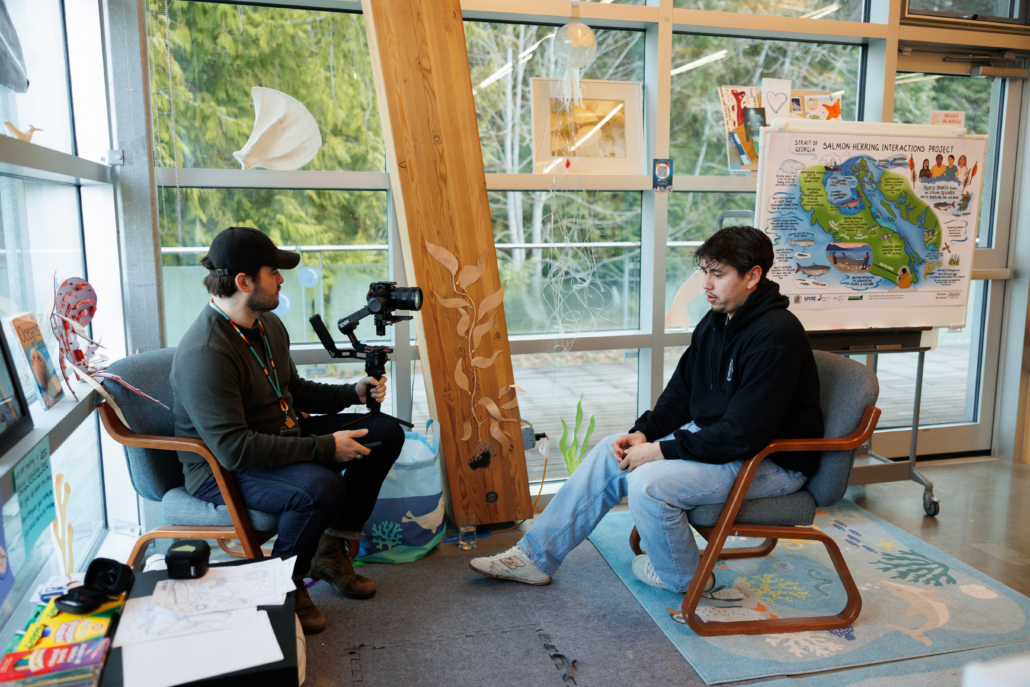
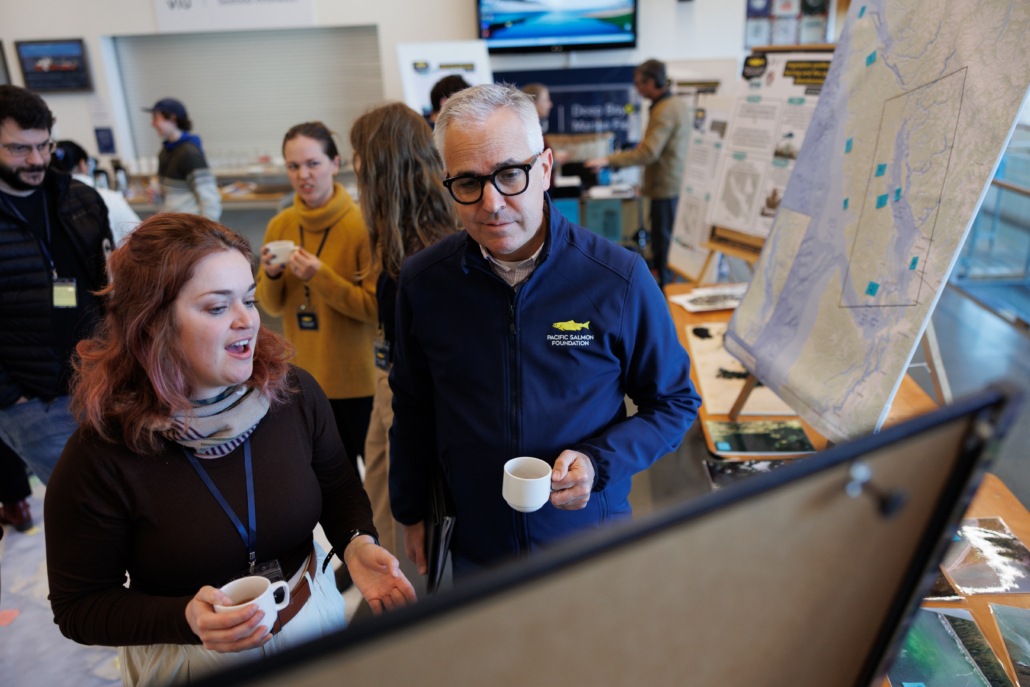
Pacific Salmon Foundation (PSF) recently held a workshop with collaborators, researchers, and First Nations partners at Vancouver Island University’s Deep Bay Marine Field Station to celebrate the achievements of a multi-year collaborative research project.
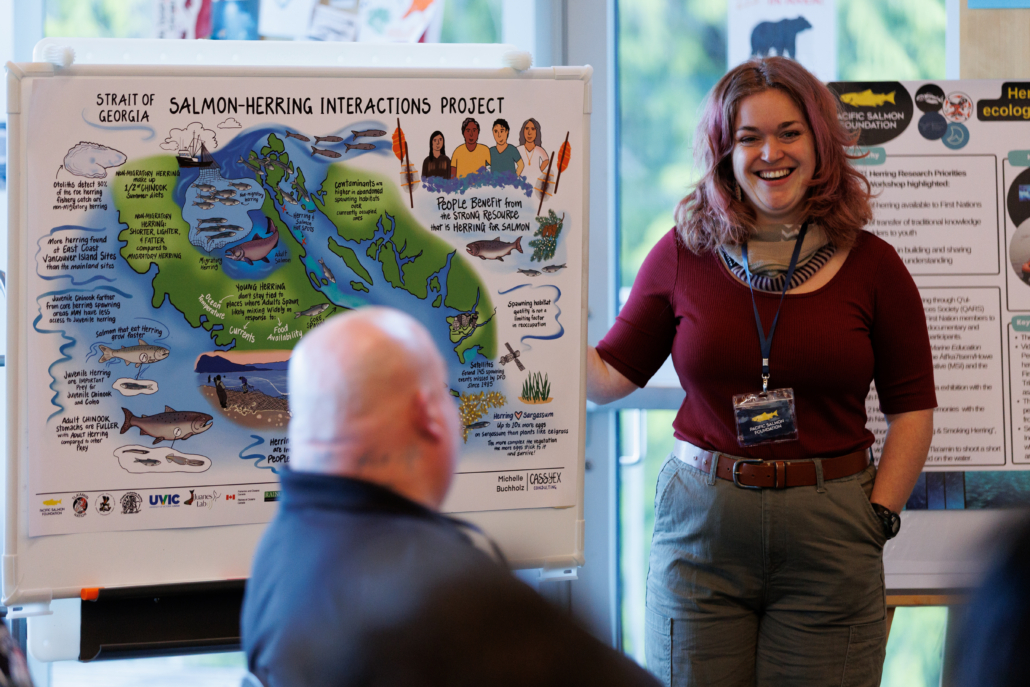
PSF’s Salmon-Herring Interactions project is studying the role of herring in the salmon food web. Since 2023, the project has created tools to identify the Strait of Georgia’s non-migratory herring population, tracked herring spawn habitat, and assessed if, where, and when juvenile salmon feed on herring.
PSF scientists have completed hundreds of days of fieldwork – much of it in tandem with project partners A-Tlegay Fisheries Society, Tla’amin First Nation, and Cowichan Tribes. Historically, abundant herring supported a healthy food web and were an important food source for First Nations communities in the Strait of Georgia.
A major component of the Salmon-Herring Interactions project has been about working with First Nations to document and share traditional ecological knowledge on herring.
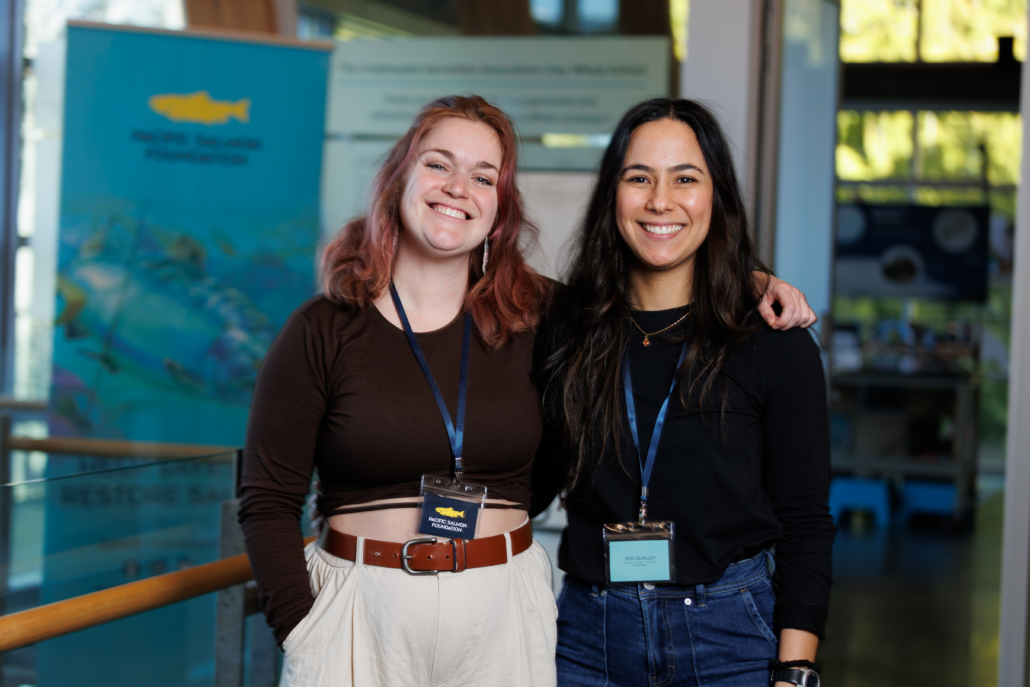
“Bringing all our project partners together to reflect on three years of salmon-herring research was incredibly rewarding. This workshop was intentionally designed with and for our First Nations partners, ensuring that we shared our findings in ways that resonated with everyone and sparked meaningful discussions to guide the work forward,” says Jess Qualley, PSF Salmon-Herring Interactions project manager.

Founded in 1999, the A-Tlegay Fisheries Society represents five member Nations located near Campbell River on Vancouver Island — We Wai Kai, Wei Wai Kum, K’ómoks, Tlowitsis, and Kwiakah.
Through PSF’s collaboration with A-Tlegay Fisheries Society, the team has conducted hands-on fisheries research on the water and helped create opportunities for youth to engage with the marine environment.
In the summer of 2025, the Salmon-Herring Interactions team joined forces with the A-Tlegay Fisheries Society Summer Camp to take a group of 11 to 14-year-olds out on the water for two action-packed days of learning, exploring, and connecting with the ocean.
The camp – which takes place every summer – blends modern marine science with traditional knowledge of the territories, giving participants experiences ranging from crab and clam surveys to salmon species identification, as well as traditional salmon preparation and smoking. Now in its 12th year, the camp has inspired many participants to stay connected to the ocean – some even going on to take on roles in their Nations’ Marine Departments.
Last year’s campers joined the Salmon–Herring Interactions project team on the boat and the shoreline, where they participated in fishing for adult herring, and caught juvenile salmon close to shore with beach seine nets.

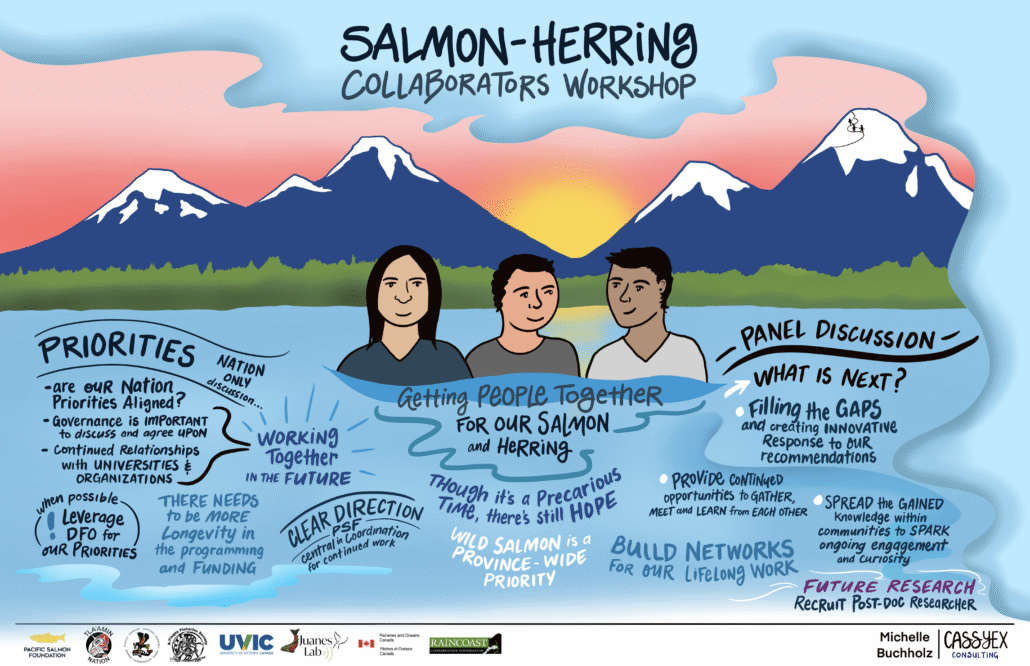
Michelle Buchholz from Cassyex Consulting created graphic recordings that captured discussions from the workshop.

 Bringing Chinook Back to Maria Slough