
LET’S HELP SALMON RECOVER

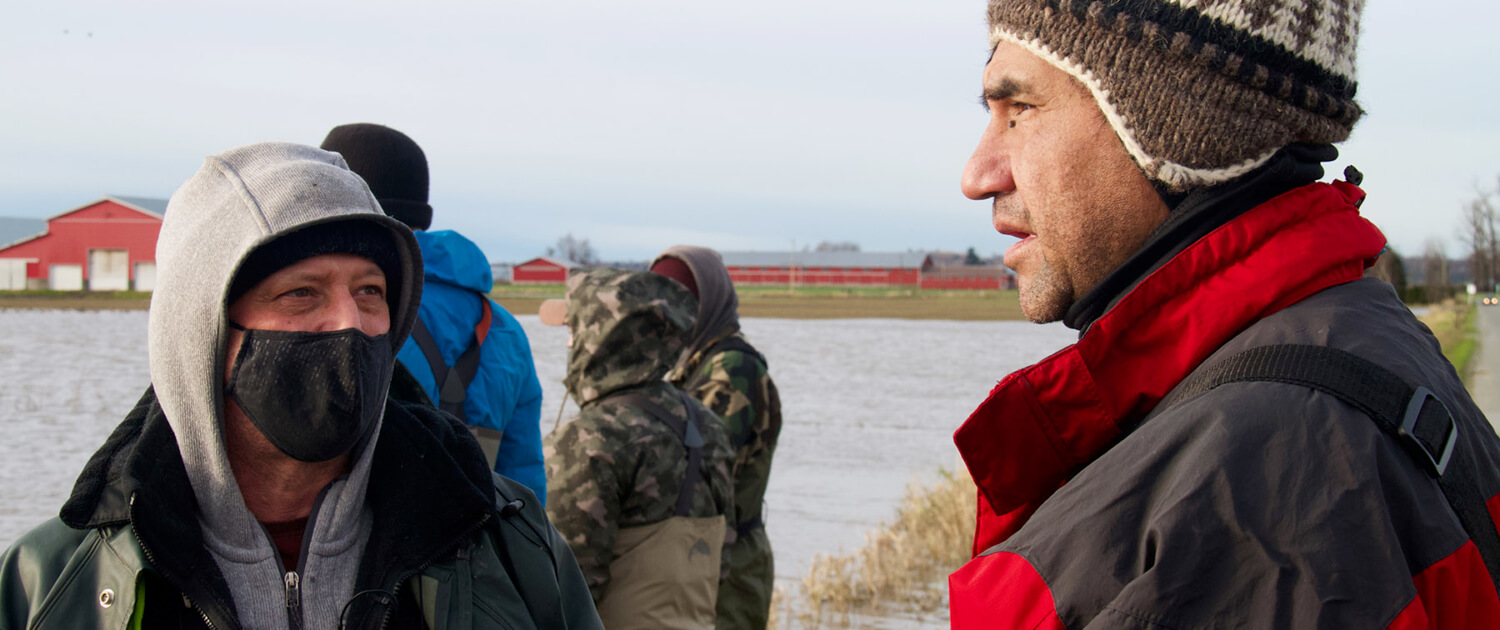
With 2021’s extreme weather events – floods, heatdome,  drought, and wildfires – we need to accelerate work to help salmon adapt to climate change.

Act now to support salmon conservation

British Columbia’s streams and rivers make up the world’s most valuable salmon habitat. And this habitat was decimated by 2021’s climate events: floods, wildfire, drought. However, with immediate action, we can greatly improve the potential for salmon to rebound.

With the help of donors like you, we can repair and strengthen the most fertile salmon habitat. Together, we are working with First Nations and ENGO partners to mitigate the short-term effects of recent major weather events and develop necessary climate adaptation and recovery strategies for salmon as we face future climate-induced, extreme-weather events.

Stories below highlight where we can help salmon and their habitat adapt.

“Pacific salmon are the 21st Century canaries in the coal mine. Their health reflects that of the environment. With nearly half of Pacific salmon populations in a state of decline, the recent B.C. extreme weather events including flood, fires and heatwaves have wreaked havoc on spawning grounds and further threaten endangered species. Your generosity is urgently needed to support people conducting river and stream habitat restoration. Donate now to advance this urgent recovery effort. With your help, the future can be salmon friendly.”

Special thank you to Groupe Ocean and Pacific Angler for their generous support:
Repairing channels for spawning salmon

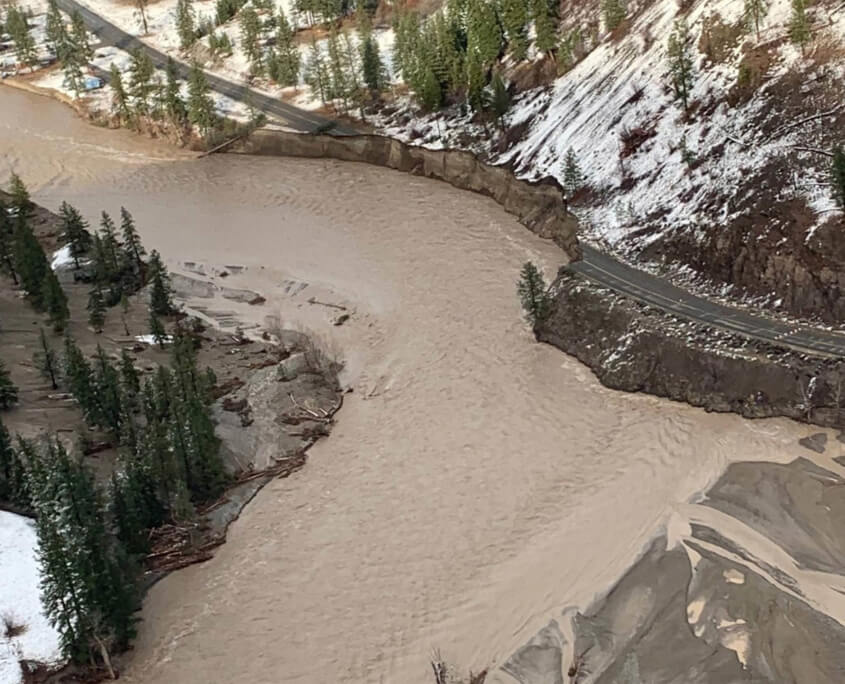
As part of the flood recovery efforts to help repair important salmon habitat, we’ve provided funds to support the restoration of the Eaton Beaton side channel near Merritt, B.C., where 1.5 km of Coldwater River off-channel habitat has been damaged and blocked. The Coldwater River is one of the most important systems in the Nicola River watershed for coho and early-run Chinook, and is the most important system for steelhead.

This is one example of the need for habitat restoration after the extreme flooding in November 2021. With your help, we can save thousands of salmon and rebuild valuable habitats ready to face future challenges.

(photo courtesy of DFO)

Finding cool pools to save salmon schools

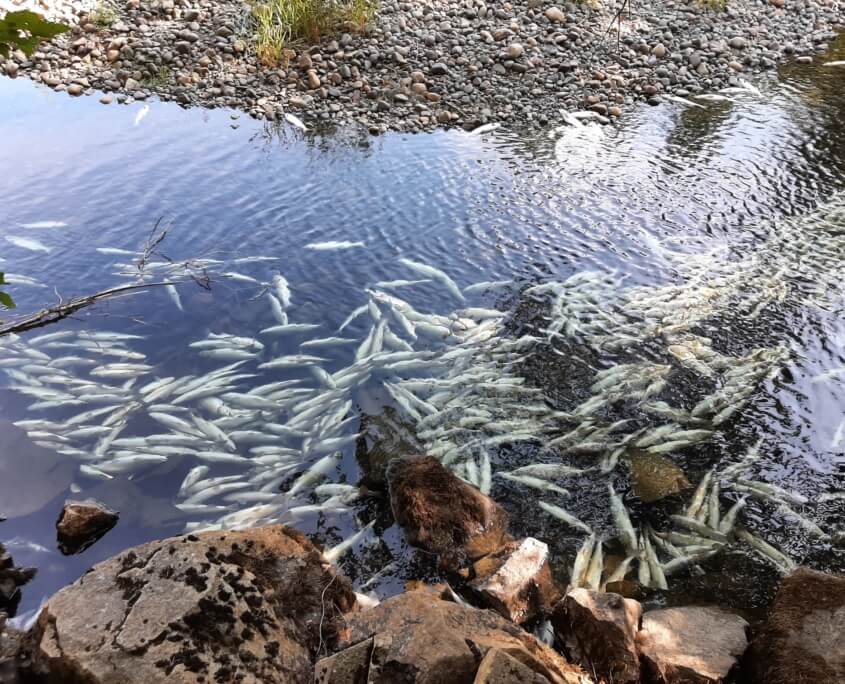
From June 25 to July 1, 2021, British Columbia baked under temperatures reaching 49.6 C. The unprecedented heat dome resulted in B.C. streams getting warmer, detrimental to cold-blooded salmon.

However, researcher Kate O’Neill found a silver lining. The extreme heat created a greater differential between ambient stream temperatures and the cooler pools within them, fed by upwelling groundwater. The heat of 2021 made these cool refuge areas more obvious — and necessary for salmon.

Despite the positive identification of cool pools, the number of salmon using them appeared to decline over the hot summer period of 2021, which may suggest fish are more prone to predation when clustered in high numbers. Her ultimate goal is to support the mapping of thermal refugia within all salmon-bearing streams in B.C.

“By identifying these thermal refugia, we can help protect specific areas and really focus our efforts on climate mitigation,” says O’Neill, whose study was partially funded by the Pacific Salmon Foundation.

Restoring watersheds after wildfires

One would think salmon are safe in the water during fires. Think again.

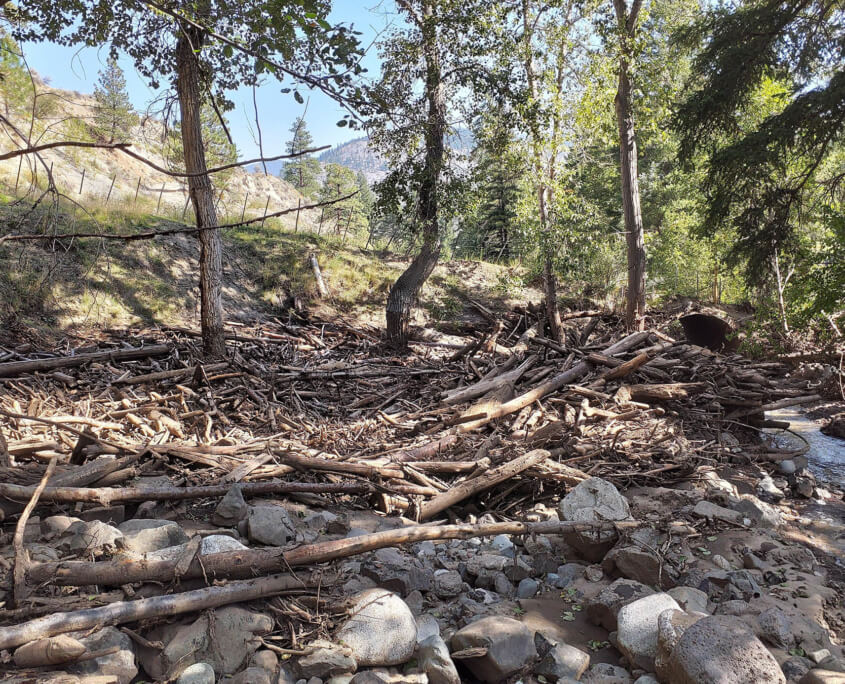
Wildfires cause major changes to forests and soils, which leads to shifts in watersheds that have serious consequences for salmon and their habitat. Once excess sediment from burned terrain reaches a stream, it can plug salmon gills and prevent them from accessing food, essentially suffocating and starving to death.

To help mitigate the effects on salmon, we’re developing a Forest Fire Playbook that includes landscape strategy options during the wildfire season to ensure salmon ecosystems can rebound. It also includes how to mitigate effects and accelerate recovery, and proactive measures to support salmon populations.

“These fires are massive. When they burn, entire watersheds fall apart. The efforts put into salmon recovery become swamped by the effects of these large wildfires that can affect salmon for years — even decades,” says Jason Hwang, PSF’s VP for Salmon.

Your help makes a difference

With the help of donors, we can repair and strengthen the most fertile salmon spawning habitat in the world. With your support, we will continue working with First Nations and ENGO partners to mitigate the immediate effects of the 2021 floods on salmon and develop necessary climate adaptation and recovery strategies.

Critical areas of work that urgently need your support to help salmon survive through climate-change induced, extreme weather events:

  • Post-flood habitat restoration
  • Reduce impact of wildfires on salmon
  • Rising stream temperature work to support salmon
  • Habitat restoration to mitigate effects of sea-level rise
  • Salmon migration channel clearing
  • Ensuring fertile habitat for salmon eggs

Together we can help Pacific salmon recover.

If you would like to speak with our fundraising staff about how your gift can make a difference, please contact us at salmon@psf.ca or call 604-664-7664 and we’ll be sure to get in touch.