Fresh Water Habitat is Changing
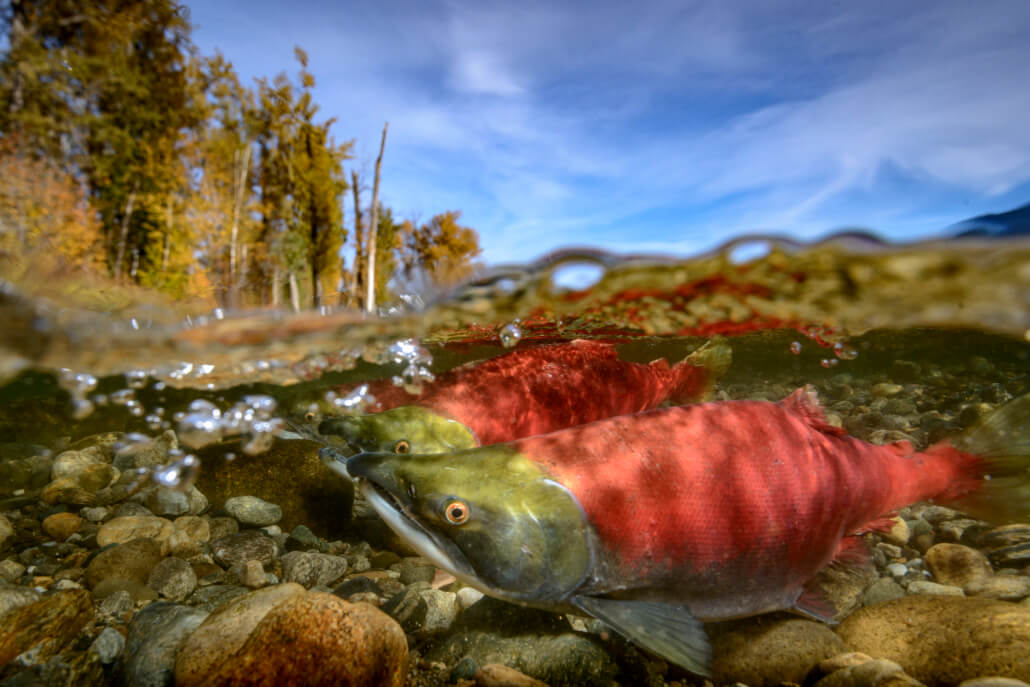
The Fraser River is home to the world’s largest sockeye salmon run and it’s a nursery for more than half of B.C.s salmon populations. Over the past few decades, it’s seen rapid declines in a number of salmon species, most notable, Chinook with most populations now threatened or endangered.
Climate change is impacting the river and the species that depend on it.
Erosion along the watershed, flooding, and increased water temperatures are a few of the significant impacts’ climate change has brought to bear on the Fraser. There are areas of concern along the migration route that we must better understand in order to find solutions for the migrating salmon.
Pacific Salmon Foundation is leading a study with partners to assess potential migration impediments and determine areas of potential improvement, including the existing fishways. The focus will be on areas downstream of Big Bar in the Fraser canyon.
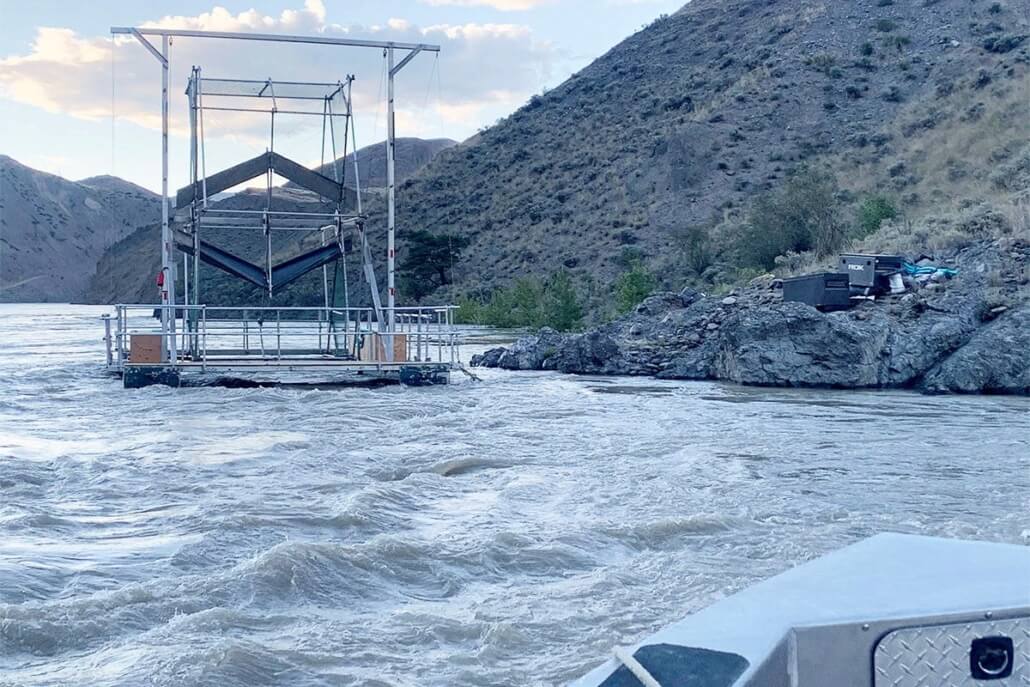
Working with Matsqui and Yale First Nations, we’ve deployed fish wheels to capture migrating Chinook, and are tagging a subset of these salmon.
The project aims to track the precise locations where tagged salmon are holding between Hope and Lillooet. The goal is to identify migration impediments in the Fraser Canyon that can be rectified in the face of climate impacts, giving salmon a chance to adapt.
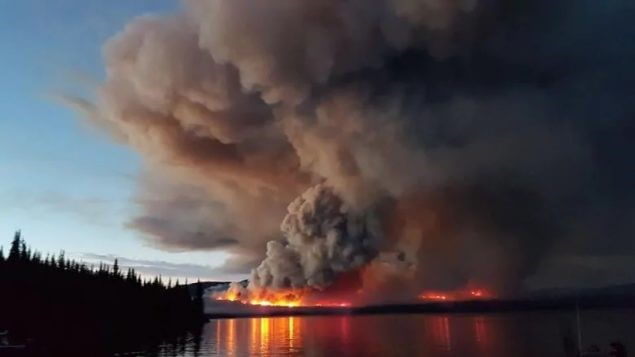
Forest Fires: Landscape Recovery
Climate change has seen the number of forest fires in Canada double since the 1970’s. Wildfires impact the entire surrounding ecosystem, including aquatic environments and vital salmon habitat. Pacific Salmon Foundation is developing a “Playbook” to guide landscape recovery strategies and priorities for salmon following major fires.
The project is working to identify priorities that minimize impacts to the aquatic ecosystem, and accelerate recovery of the landscape targeting areas most important for the recovery of watershed conditions. This guidance could help to ensure that the aquatic ecosystem is given due attention in post-fire forestry, silviculture, landscape management and can inform habitat conservation and restoration.

Warming Oceans: Mitigating Impacts
Young salmon are dying in the Salish Sea. And, while there are many contributing factors to this problem, there is one we can help solve. As ocean temperatures rise, we must protect and restore critical salmon habitats that vulnerable juvenile fish depend on. PSF is working with partners to research and identify thermotolerant kelp and eelgrass in order to restore these critical habitats for young Pacific salmon and the food they depend on. This work has added environmental benefits of carbon sequestration and the enhancement of our marine ecosystems.
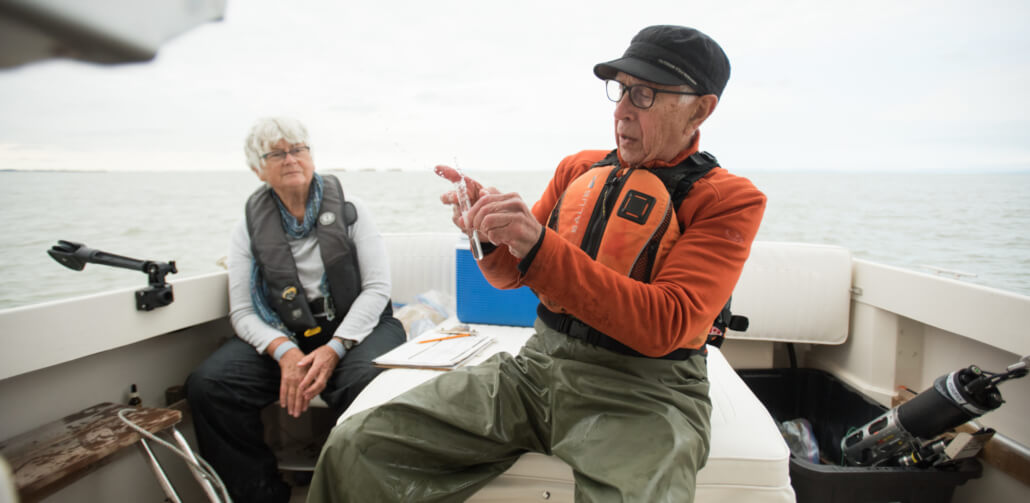
Citizen Science: Monitoring and Data Collection
Through our Citizen Science ocean monitoring work we’re able to detect changes over time at a scale and consistency that’s unparalleled. If we don’t know what’s changing in our marine environments, it’s difficult to address and mitigate the impacts on key species. The Citizen Science Program is focused on engaging passionate volunteers who have access to a boat and in interest in supporting marine research over the course of time. With our citizen scientists we can track changing ocean temperatures, forage fish populations, and the diet patterns of at-risk salmon species.
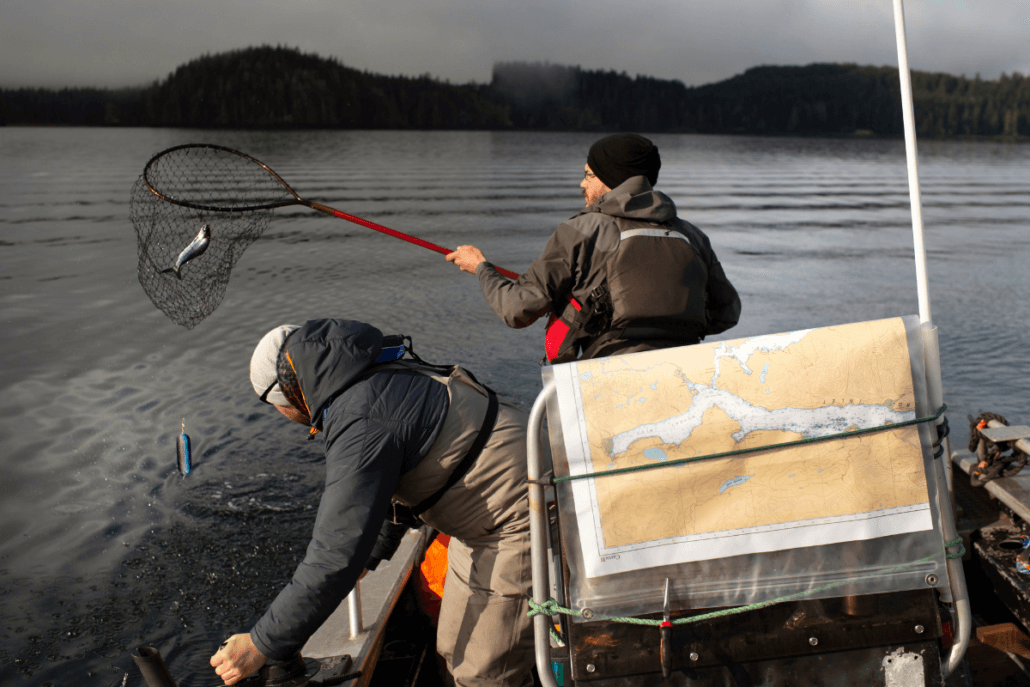
Cumulative Effects: Salmon Ecological Health
Pacific salmon spend the majority of their life in the marine environment and as their ocean habitat warms this creates poorer conditions for optimal health of Pacific salmon and many other marine species. Our Salmon Ecological Health Program aims to gauge co-effects of marine stressors, including; disease agents, sea lice, ocean temperature and predation.
We must better understand the scale of impact relating to cumulative effects across disease and environmental stressors.