
 /wp-content/uploads/2022/04/PSF-Logo-2022-min.png
0
0
Tracy Green
/wp-content/uploads/2022/04/PSF-Logo-2022-min.png
Tracy Green2016-02-11 03:16:042021-09-07 17:09:42Salmon Spawner Poster
/wp-content/uploads/2022/04/PSF-Logo-2022-min.png
0
0
Tracy Green
/wp-content/uploads/2022/04/PSF-Logo-2022-min.png
Tracy Green2016-02-11 03:16:042021-09-07 17:09:42Salmon Spawner PosterThe Pacific Salmon Foundation’s Data & Assessments Team compiles data on salmon and their habitats into clear, accessible tools and resources to help guide conservation and recovery planning. Working alongside a diverse network of partners—including First Nations, community organizations, and government agencies—we track the status of salmon and their habitats and support community-led monitoring and stewardship.
Tracking the State of Salmon
Salmon returns can vary drastically across regions and from year to year, making it hard to track how salmon are doing. Our annual State of Salmon Report provides a data-driven overview of the state and trends for all six Pacific salmon species, including steelhead, across British Columbia and the Yukon.
Bringing salmon data together
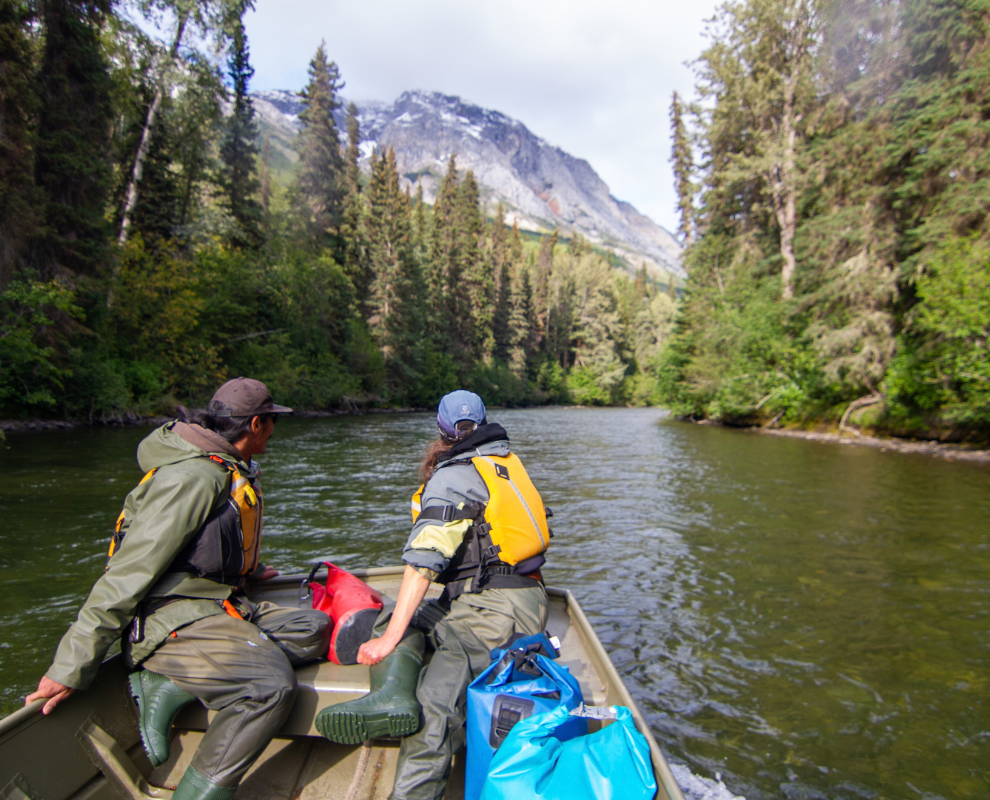
Effective salmon recovery starts with answering critical questions: Which populations are the most vulnerable? How healthy are salmon habitats in this watershed? Where could conservation efforts have the greatest impact?
Too often, those answers are hard to find. Monitoring has declined in many regions, and the data that do exist are often scattered across jurisdictions and organizations. We bring it together — aggregating, standardizing, and centralizing key information into accessible tools and platforms.
We also help local partners build the capacity they need to take effective action, sharing monitoring tools, frameworks, and scientific resources with organizations working at the watershed level.
When First Nations, governments, and stewardship organizations can find and trust the data they need, planning gets easier and more gets done for salmon.
Areas of Work
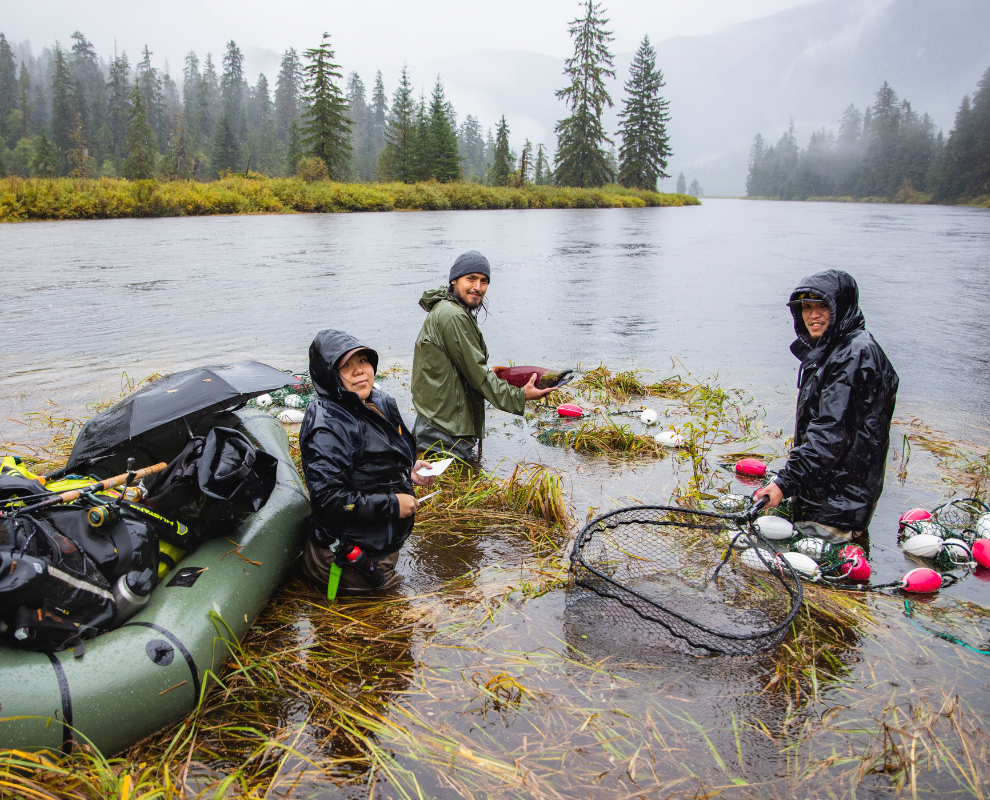
Democratizing Salmon Data
We work with diverse partners to compile, analyze, and share Pacific salmon population and habitat data through accessible platforms like the Pacific Salmon Explorer.
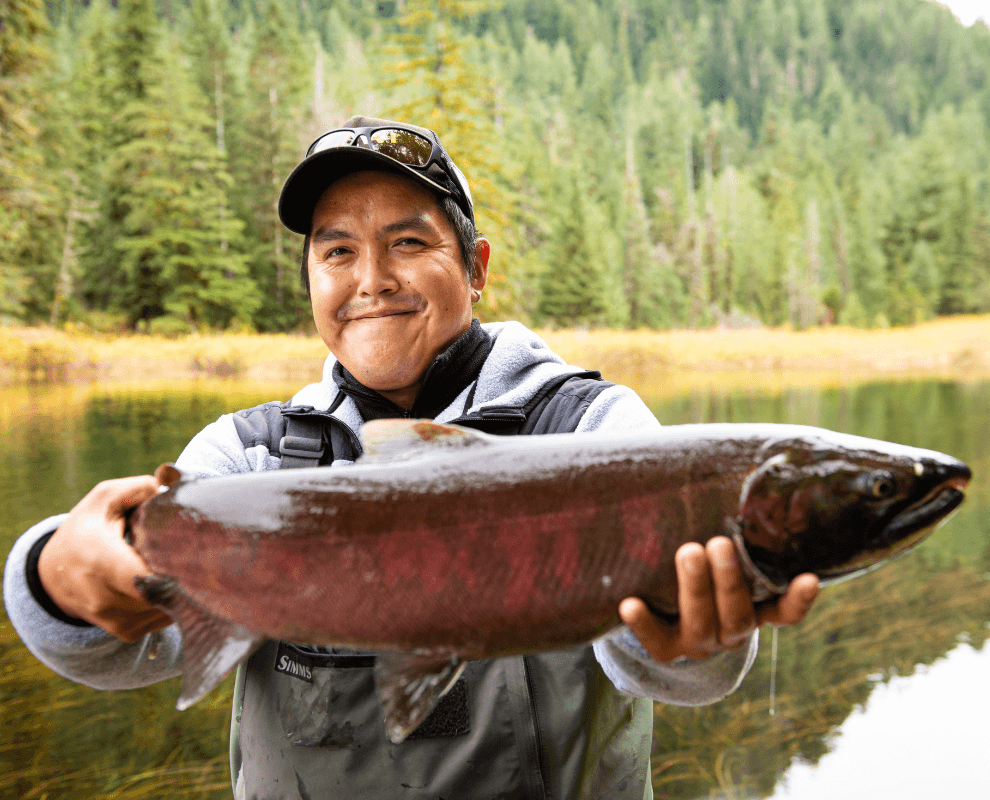
Tracking Status & Trends
We apply data-driven assessment models to track the current status of wild salmon populations and their habitats, identifying key changes and emerging pressures in our annual State of Salmon Report.
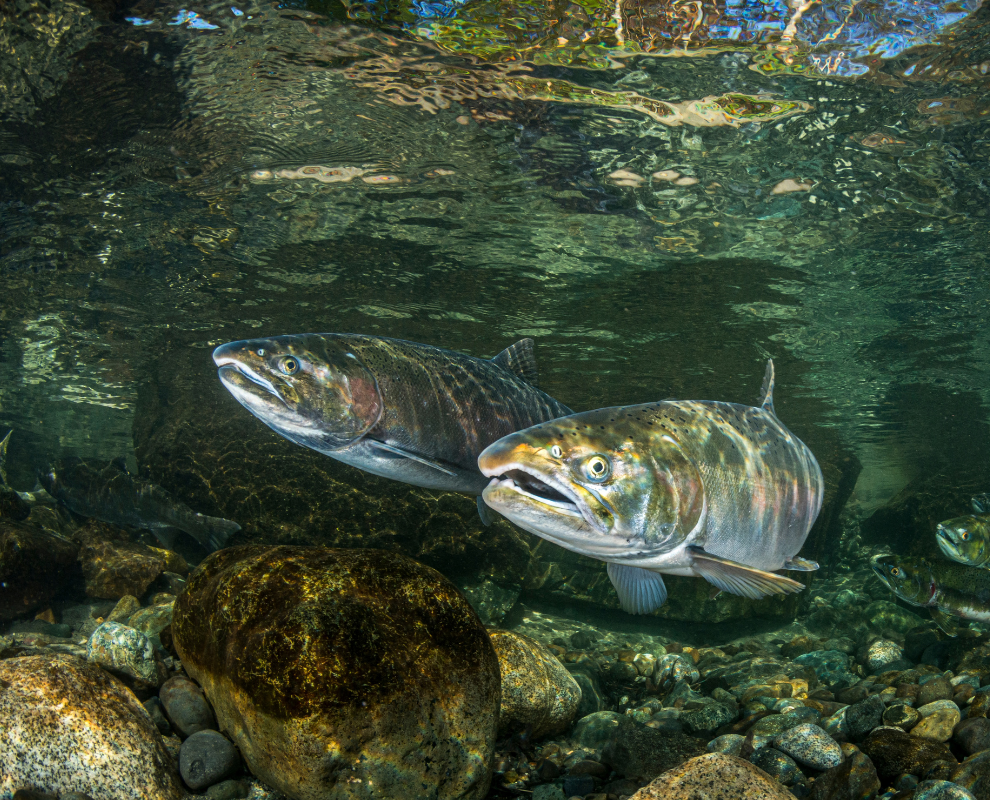
Translating Science into Action
We synthesize complex data into clear, actionable insights that guide management decisions, shape policy, and direct resources toward high-priority recovery efforts.
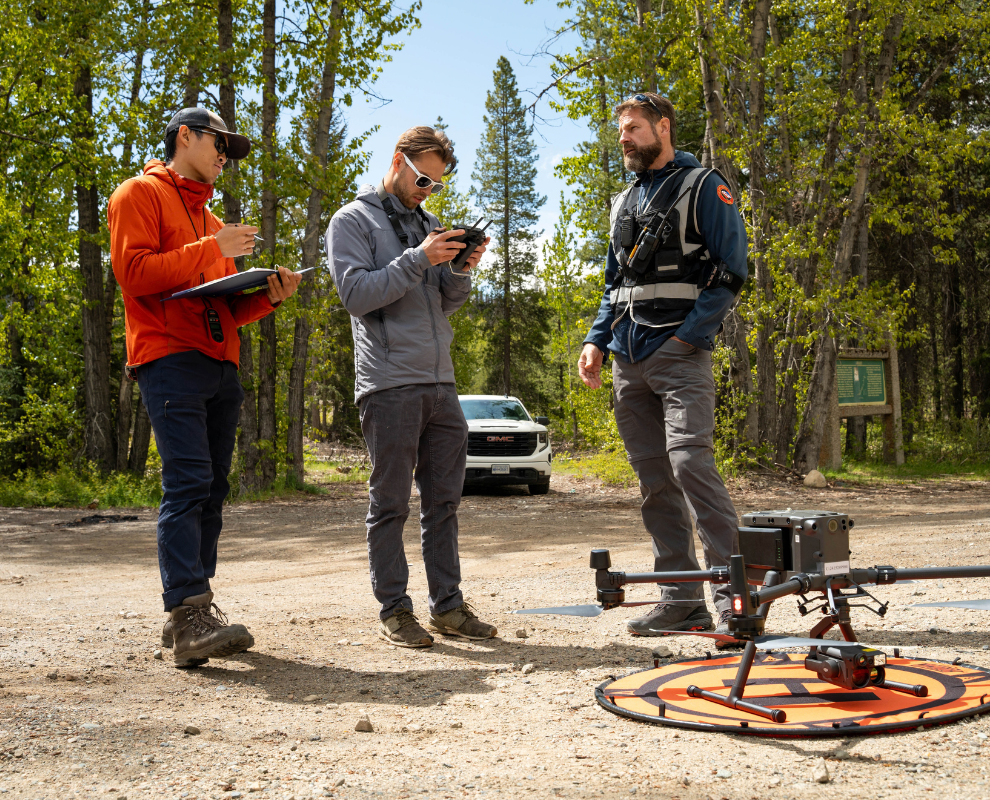
Expanding Local Capacity
We support First Nations and community stewards with the tools, training, and resources they need to achieve their watershed monitoring and conservation goals.
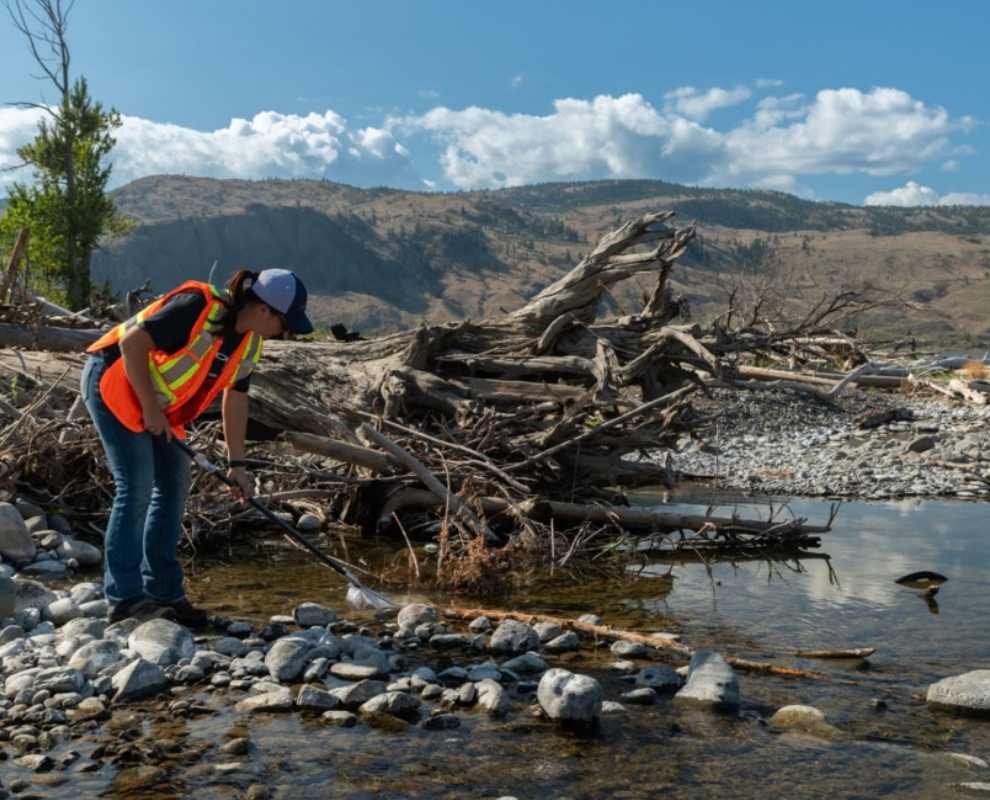
Tools to Track Drought
Local First Nations and stewardship groups across B.C. collect invaluable data on stream temperature and flow, which can inform salmon conservation and management decisions. To integrate these efforts and help drive action for salmon, PSF has released new monitoring protocols covering best practices for every budget and capacity level.
Tracking 400+ salmon populations
The Pacific Salmon Explorer is the most up-to-date and complete source of information on the status of Pacific salmon and their freshwater habitats in B.C. and the Yukon – providing a one-stop shop for salmon data from the Okanagan to Old Crow.
Building on Past Work: Highlights
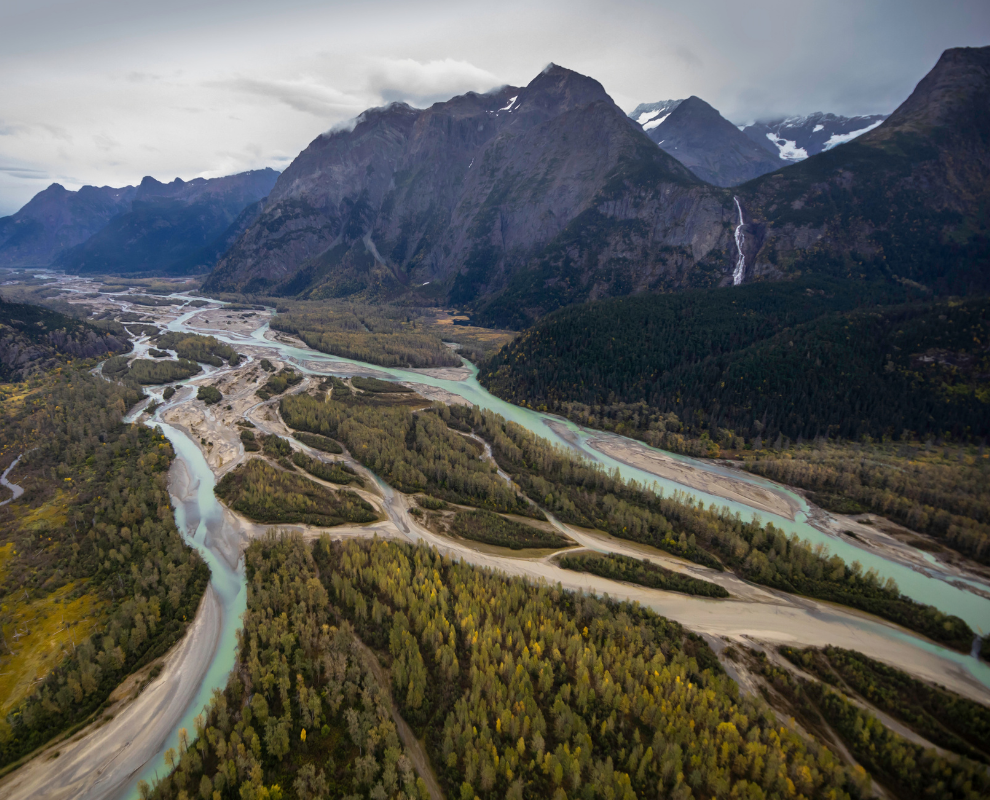
Centralizing Yukon Salmon Data
In 2025, the Yukon River became the final salmon-bearing region added to the Pacific Salmon Explorer. The data paint a stark picture: of 20 Chinook, chum, and coho populations, 16 are struggling and four lack enough data to assess.
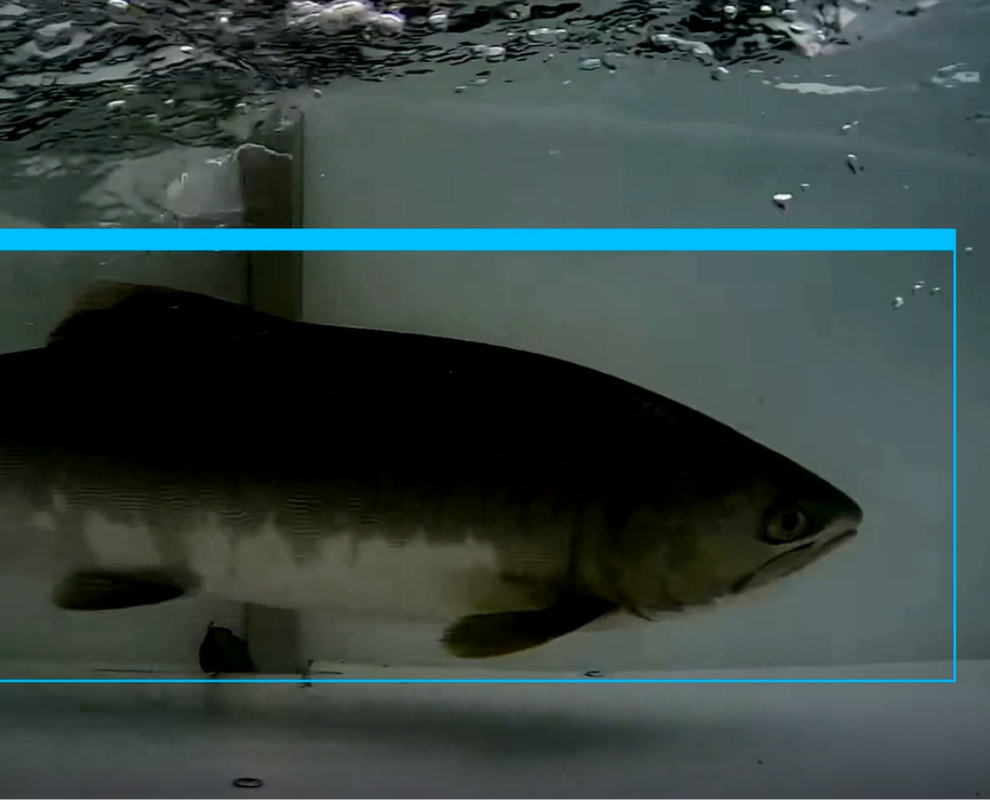
AI for Salmon Monitoring
Tracking thousands of unique salmon populations across B.C. and the Yukon is an extraordinary challenge. PSF is working with First Nations groups and other partners to pilot AI-powered monitoring systems that automatically detect and identify returning adult salmon.
Latest News and Stories
/wp-content/uploads/2022/04/PSF-Logo-2022-min.png
0
0
Tracy Green
/wp-content/uploads/2022/04/PSF-Logo-2022-min.png
Tracy Green2016-02-11 03:16:042021-09-07 17:09:42Salmon Spawner Poster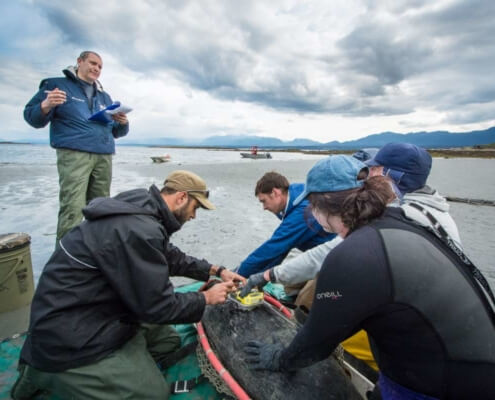 https://psf.ca/wp-content/uploads/2021/08/Seal-Predation_Pacific-Salmon-Foundation.jpg
800
1200
Tracy Green
/wp-content/uploads/2022/04/PSF-Logo-2022-min.png
Tracy Green2015-08-20 23:47:112021-09-07 17:09:42Seal Beanies Reach a Milestone
https://psf.ca/wp-content/uploads/2015/08/Salmon-in-low-waters-climate-change.png
351
528
Tracy Green
/wp-content/uploads/2022/04/PSF-Logo-2022-min.png
Tracy Green2015-08-04 23:29:202022-04-12 09:27:38Exceptionally warm ocean conditions are impacting BC marine life.
https://psf.ca/wp-content/uploads/2021/08/Seal-Predation_Pacific-Salmon-Foundation.jpg
800
1200
Tracy Green
/wp-content/uploads/2022/04/PSF-Logo-2022-min.png
Tracy Green2015-08-20 23:47:112021-09-07 17:09:42Seal Beanies Reach a Milestone
https://psf.ca/wp-content/uploads/2015/08/Salmon-in-low-waters-climate-change.png
351
528
Tracy Green
/wp-content/uploads/2022/04/PSF-Logo-2022-min.png
Tracy Green2015-08-04 23:29:202022-04-12 09:27:38Exceptionally warm ocean conditions are impacting BC marine life.