

 https://psf.ca/wp-content/uploads/2026/10/June-15-2026-Adams-River-4-2.jpg
4536
8064
Oscar Beardmore-Gray
/wp-content/uploads/2022/04/PSF-Logo-2022-min.png
Oscar Beardmore-Gray2026-10-20 14:53:372026-10-26 14:28:47Ashes in the current: hope and recovery in B.C.’s most famous salmon river
The Pacific Salmon Foundation’s Recovery & Resilience team leads efforts to develop and advance salmon recovery plans and support the resilience of salmon populations. We assist systems-level change by empowering local recovery leaders and supporting coordinated recovery planning and action.
A Collaborative Plan to Restore Upper Fraser Chinook
The Pacific Salmon Foundation (PSF) and Upper Fraser Fisheries Conservation Alliance (UFFCA) are developing an evidence-based recovery plan for Upper Fraser Spring 5-2 Chinook – a unique group of salmon that spawns in the upper and middle Fraser watershed and holds both cultural and ecological importance. These salmon have historically had severe population declines, and although recent numbers indicate a positive direction, these populations remain at risk and are unlikely to recover without intervention. The final report will be released later in 2026.
Recovery, Resilience, & Salmon
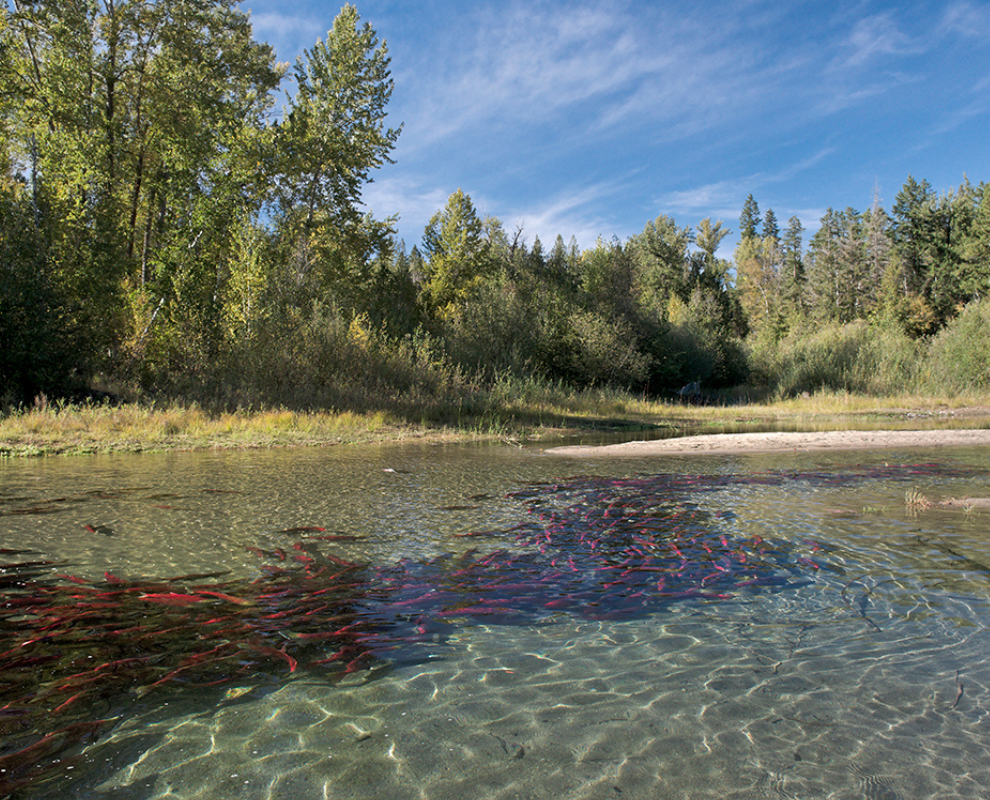
With Pacific salmon populations in long-term decline, accelerating recovery and building salmon resilience has never been more urgent.
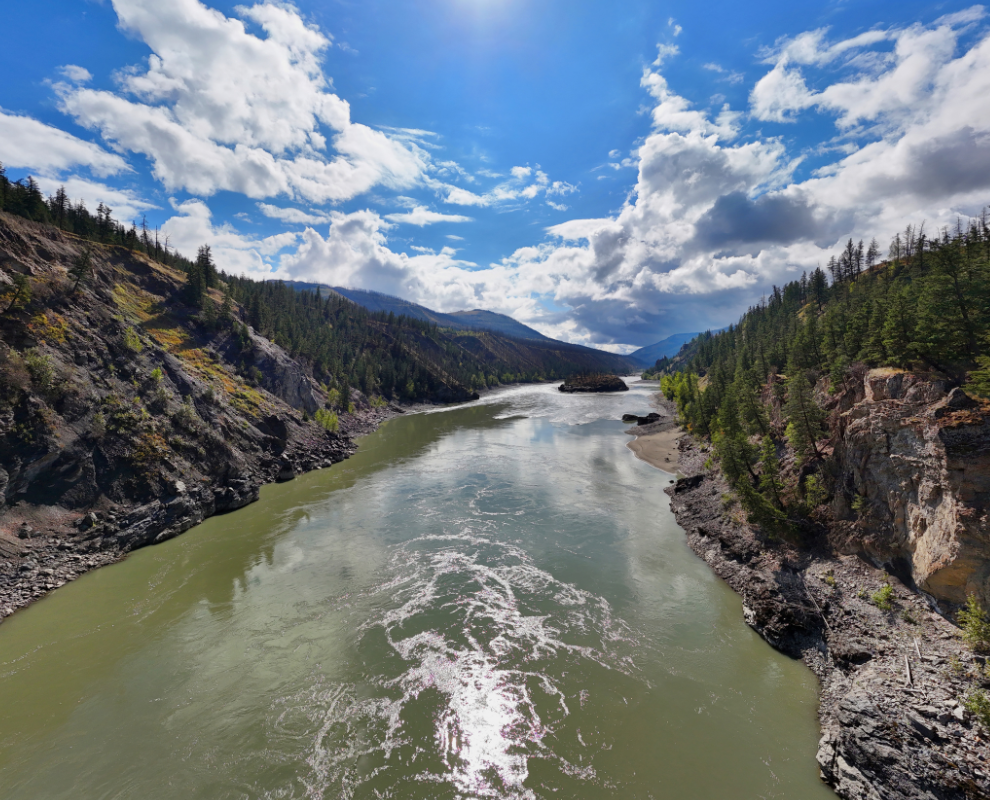
Pacific salmon are spectacularly resilient. From their first days after hatching to braving the ocean and a gruelling upstream migration, individual salmon routinely beat the odds to survive and spawn. But unprecedented threats — climate change, habitat degradation and loss, and pressures from aquaculture, among other factors — are testing salmon’s collective resilience.
At the Pacific Salmon Foundation, we work with partners to identify watersheds that will benefit from coordinated recovery planning. We bring people together at local, regional, and international levels to scale up recovery and ensure salmon continue to thrive for generations to come.
Areas of Work
The Recovery & Resilience team works with partners to leverage the best available science into actionable strategies for salmon recovery and resilience.
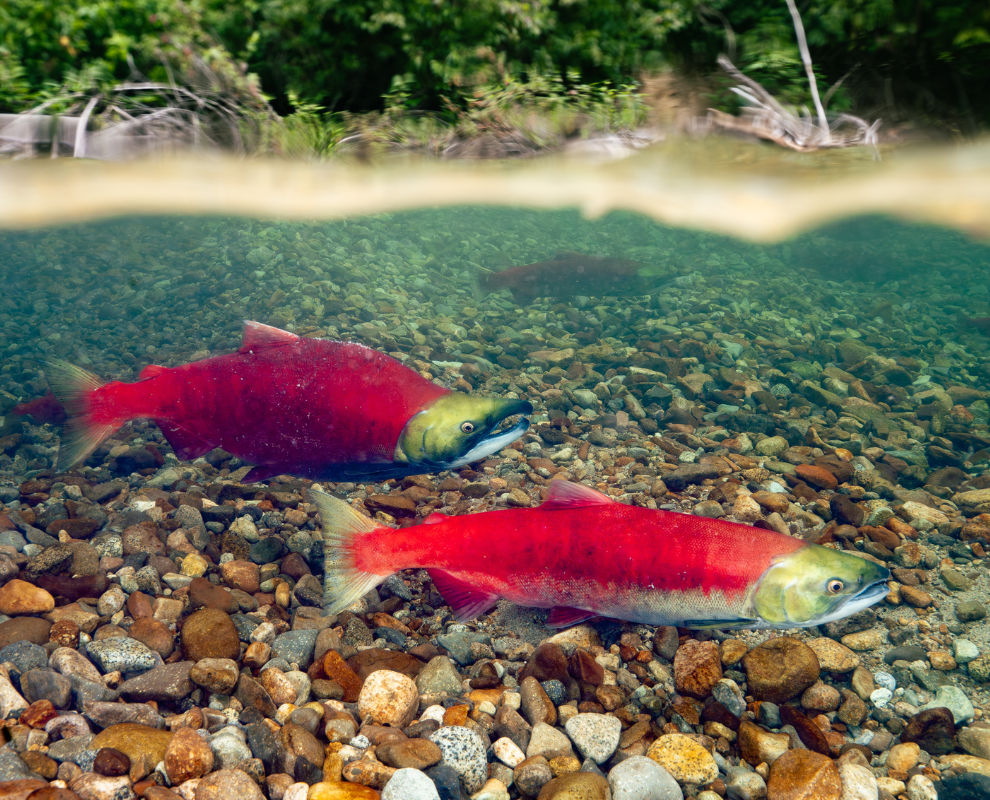
Salmon recovery frameworks
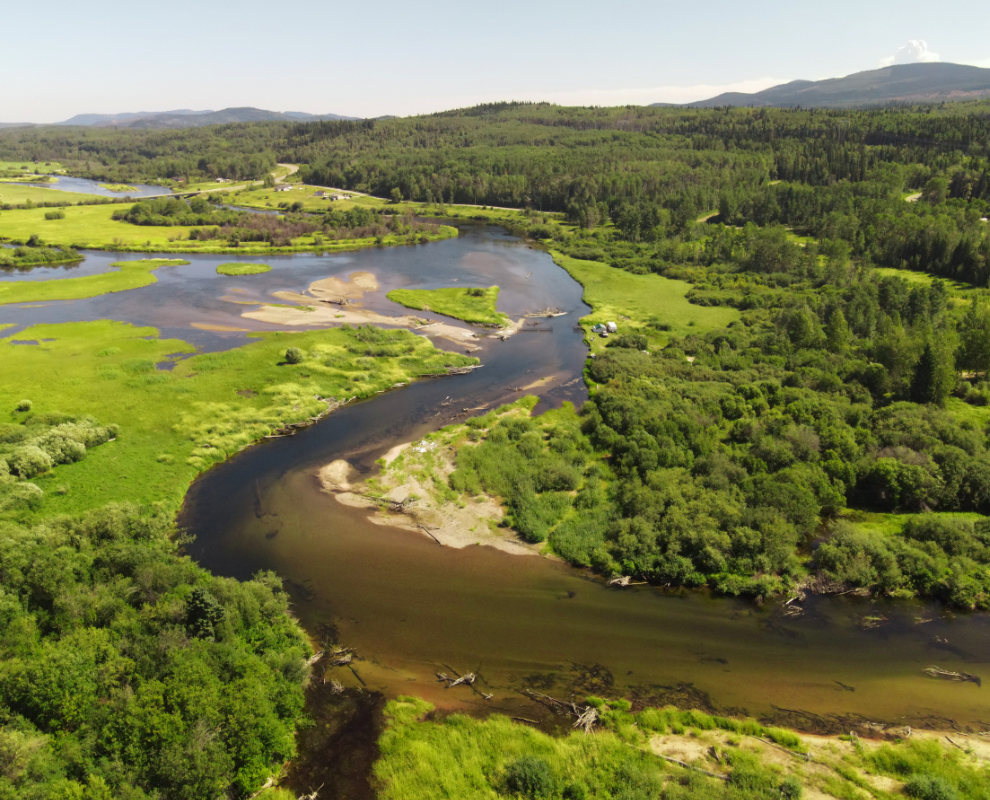
Building on our Upper Fraser Chinook recovery planning process, we’re developing a toolkit that can be adapted to other watersheds and identifying high-priority regions.
Towards a coordinated system for salmon recovery
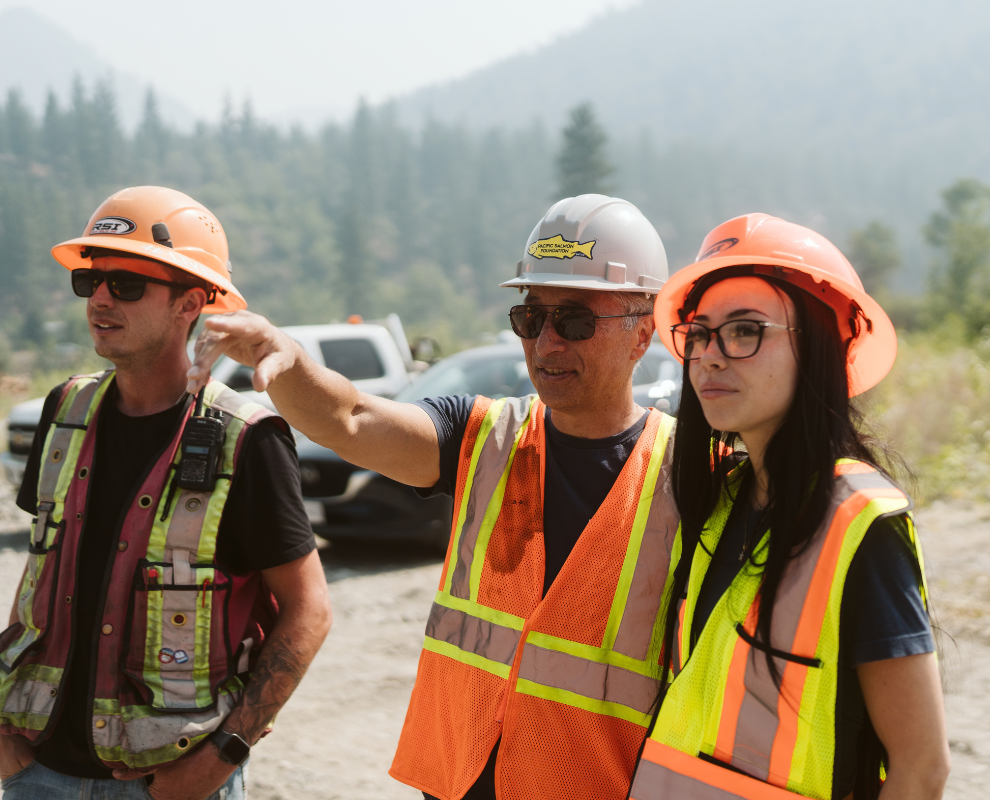
PSF has partnered with the First Nations Fisheries Council to convene leaders and shape a scalable approach to salmon recovery across provincial, regional, and watershed levels.
Technical and scientific support
We engage and fund regional, provincial, and international Pacific salmon recovery planning processes. We focus on the processes most likely to strengthen recovery for many salmon populations at once, and we bring PSF’s data, tools, and technical expertise to the table. Our regional recovery coordinators lead and take part in recovery projects across the Fraser, Vancouver Island, and the North and Central Coast.
Resources to guide habitat restoration
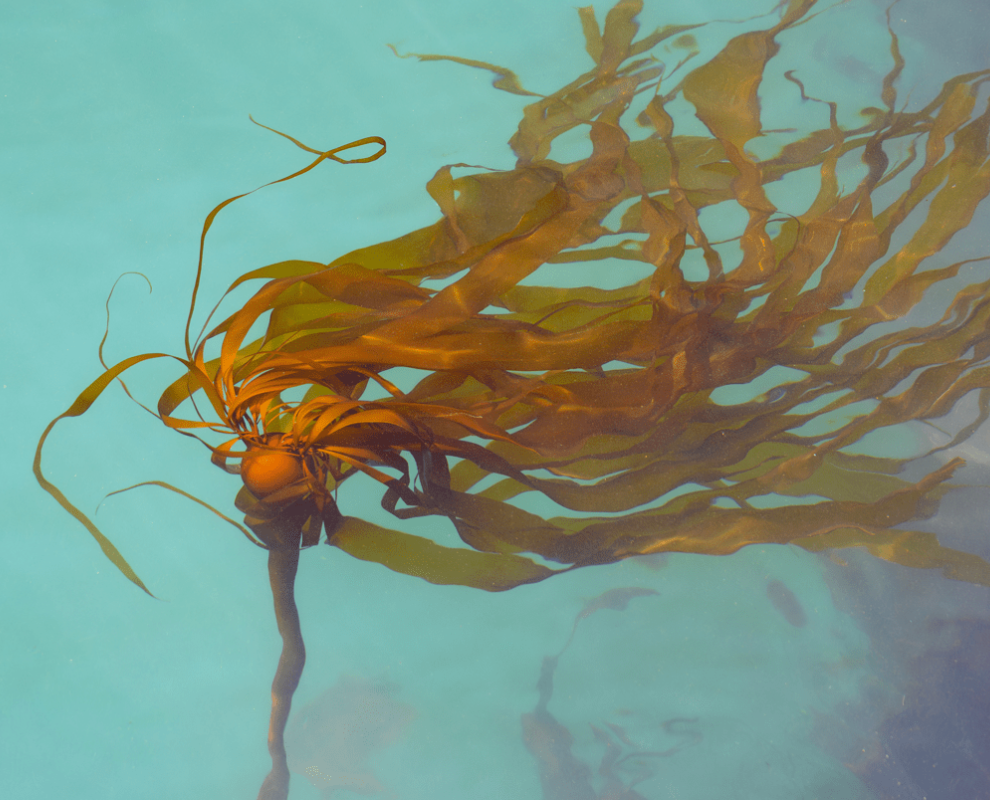
The Nearshore and Estuary Restoration Hub contains open-access informative resources and decision-support tools to guide and help coordinate adaptive nearshore habitat restoration approaches and strategies. The hub’s products focus on key nearshore habitats, including eelgrass, salt marsh, and kelp. The hub is currently in development and will have products added regularly.
“It’s going to take all of us, working together, to drive salmon recovery.”
Michael Meneer,
President and CEO, Pacific Salmon Foundation
Game-Changing Restoration
PSF funds game-changing restoration projects in major salmon-bearing watersheds.
Led by partners, these projects are highly collaborative and are designed to drive transformational, meaningful change for salmon and their habitats.
Hope and recovery in B.C.’s most famous salmon river
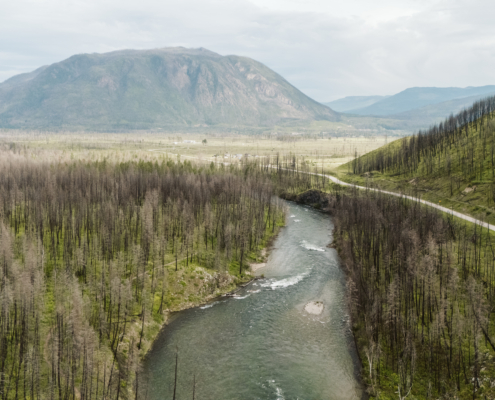
In 2023, the Bush Creek East wildfire burned through the Adams River watershed. What used to be a lush green forest became a barren vista of burned trees.
Out of the ashes, a determined group of partners came together to restore this vital salmon watershed. Led by local First Nation Skwlāx te Secwepemcúl̓ecw, along with Fisheries and Oceans Canada, BC Parks, and the Pacific Salmon Foundation, the group has begun restoring the Adams’ natural channel complexity to improve outcomes for spawning salmon.
https://psf.ca/wp-content/uploads/2026/10/June-15-2026-Adams-River-4-2.jpg
4536
8064
Oscar Beardmore-Gray
/wp-content/uploads/2022/04/PSF-Logo-2022-min.png
Oscar Beardmore-Gray2026-10-20 14:53:372026-10-26 14:28:47Ashes in the current: hope and recovery in B.C.’s most famous salmon river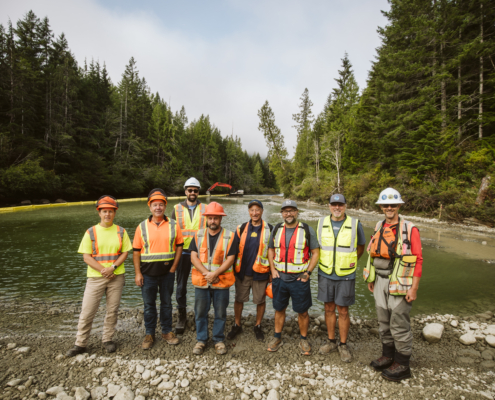 https://psf.ca/wp-content/uploads/2025/11/PSF-September-5-2025-09-5-scaled.jpg
1707
2560
Oscar Beardmore-Gray
/wp-content/uploads/2022/04/PSF-Logo-2022-min.png
Oscar Beardmore-Gray2025-11-20 09:06:232026-10-09 13:04:27$1.3 million restoration project to revive Vancouver Island Chinook
 https://psf.ca/wp-content/uploads/2024/04/Feb-26-2024-Sturgeon-Bank_bk-13-scaled.jpg
1366
2048
Braela Kwan
/wp-content/uploads/2022/04/PSF-Logo-2022-min.png
Braela Kwan2024-04-16 09:37:242026-10-09 13:23:48A habitat lifeline for juvenile salmon in the Fraser River
Recovery in Action
The Recovery & Resilience team builds on work from previous projects that accelerated recovery and strengthened resilience.
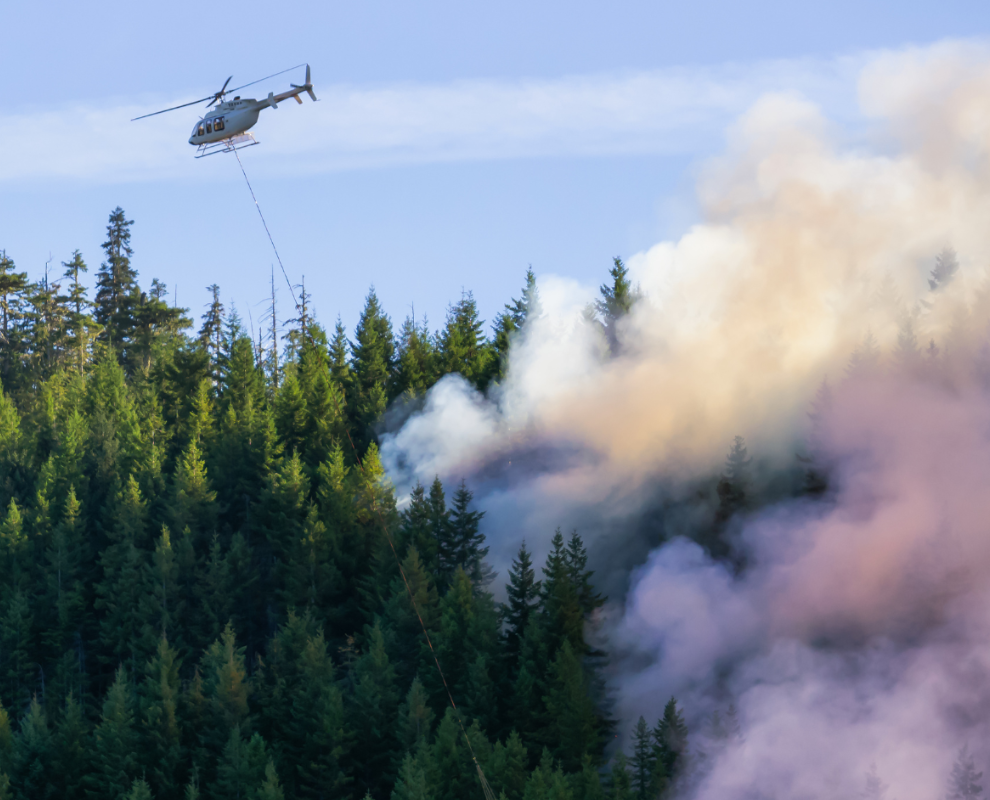
Wildfire Playbook
Wildfires are growing larger and more frequent in B.C., with lasting impacts on salmon habitat. Our first-of-its-kind Wildfire Playbook draws on more than 450 sources to outline over 40 post-wildfire restoration solutions. It helps First Nations, governments, the forest industry, and watershed planning teams assess risks to salmon and prioritize recovery actions after a fire.
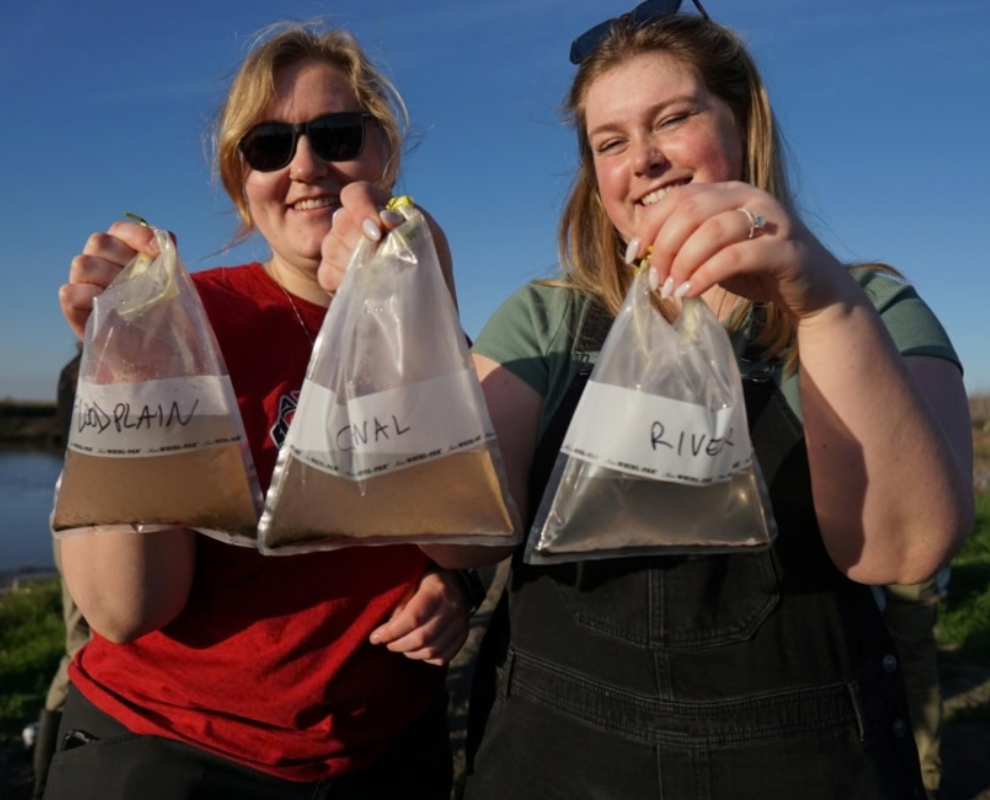
Salmon and Agriculture
Inspired by California’s Nigiri Project, we worked with farmers, First Nations, and conservation partners to explore a multi-benefit land use model for the Fraser Valley. The idea: temporarily flood select farm fields outside the growing season to create productive rearing habitat for juvenile salmon, while keeping the land in agricultural production for the rest of the year.
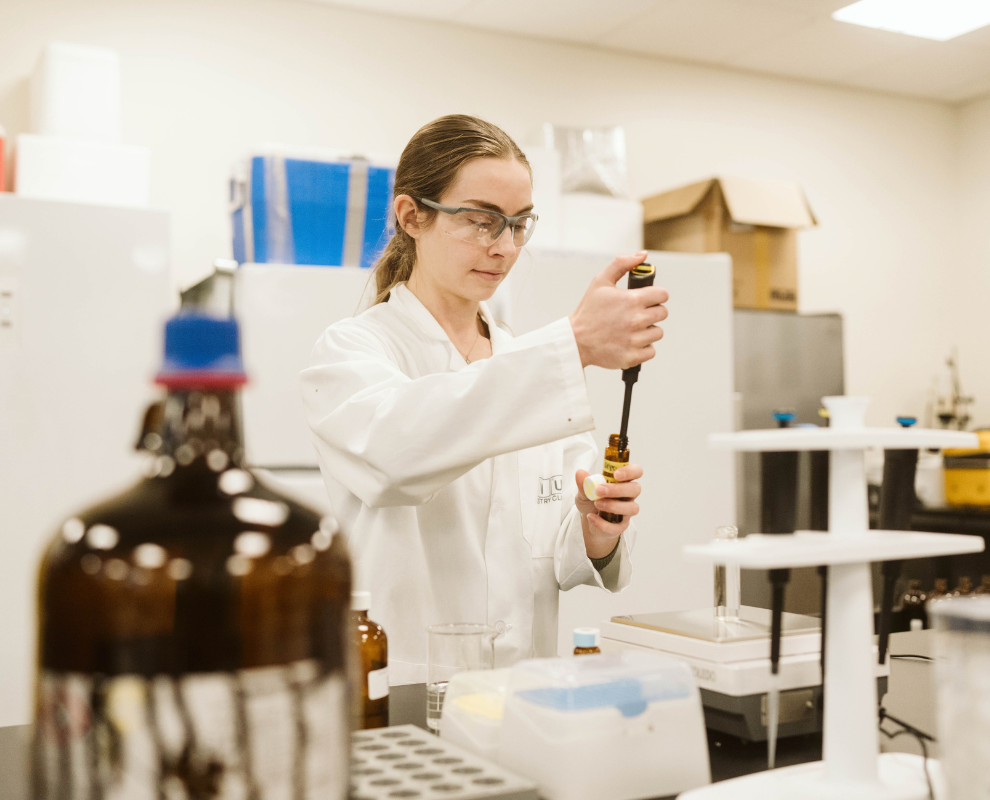
Tire Wear Toxin 6PPD-Q
Washed off roads by rain, 6PPD-quinone, a compound formed from a common tire preservative, is lethal to coho salmon. We supported community monitoring on eastern Vancouver Island, co-funded lab equipment at Vancouver Island University, helped organize expert workshops, and successfully pushed for a federal assessment of 6PPD.
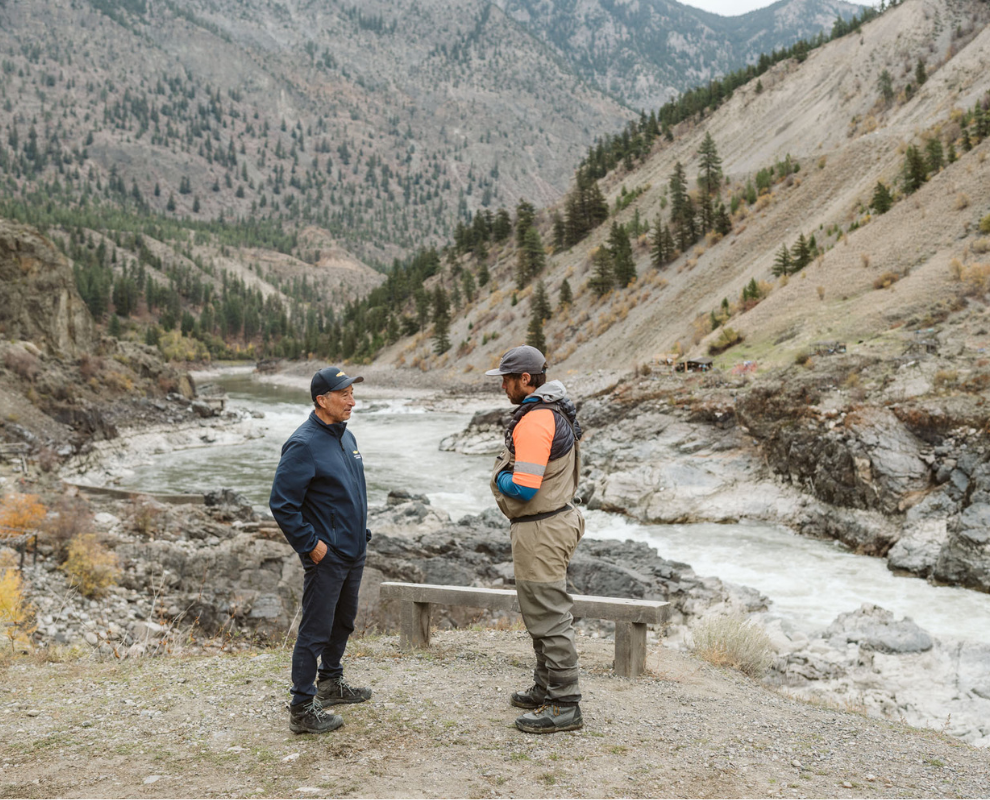
Rapid Climate Emergency Response
Launched in 2023, our Climate Emergency Fund granted more than $1.8 million to rapid-response projects across B.C. With numerous partners, we’ve helped salmon survive drought, floods, extreme heat, and wildfire, from restoring flow to dried-up streams to clearing flood-blocked culverts. This urgent work now continues through our Grants & Resources Mobilization team.