The Pacific Salmon Foundation’s Habitat & Ecosystem Science Team is focused on understanding why salmon decline and how they recover. You will find our scientists on the water using innovative monitoring and diagnostic tools to study the salmon food web, the impacts of aquaculture and disease, and the bottlenecks affecting salmon survival in the Salish Sea and beyond.

The Hidden Secrets of Chinook Salmon’s
Long, Hard Winter

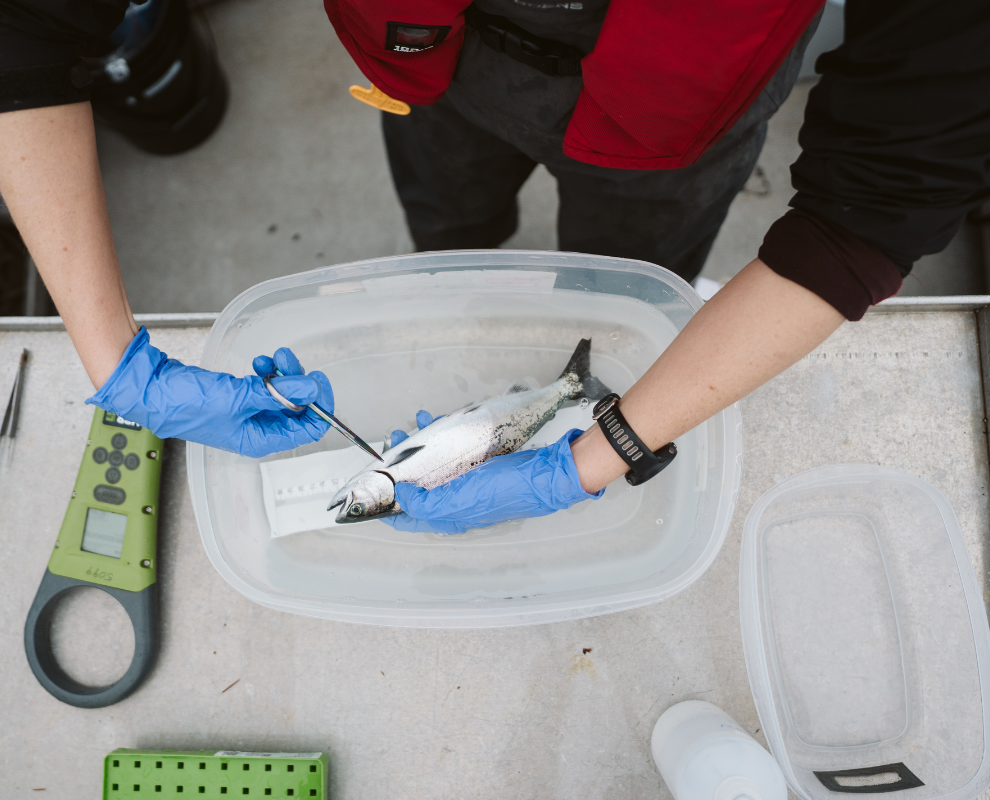
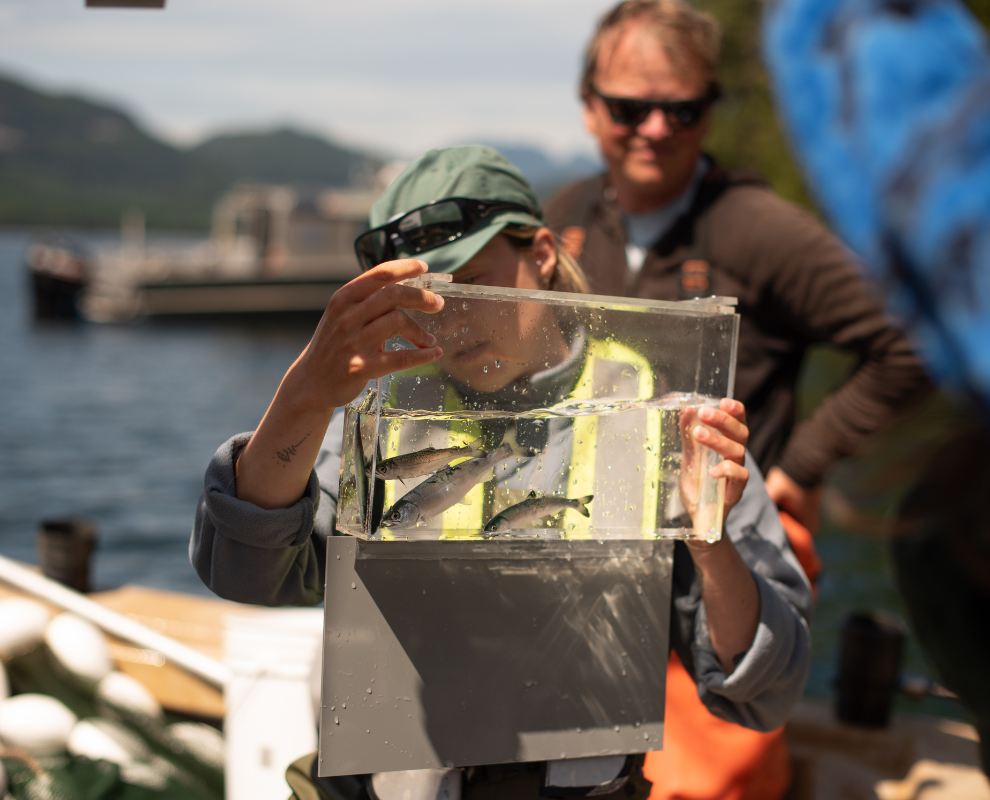
Our scientists are testing the leading hypothesis that juvenile Chinook salmon’s first winter at sea is a period of increased mortality, mainly due to starvation. The team catches juvenile salmon, checks for injuries and disease, collects stomach contents, applies a tag, and takes tissue samples for genetic analysis. Crucially, the team then releases the fish unharmed, allowing for survival estimates to be obtained. These methods minimize the impact on at-risk Chinook salmon.

Habitat & Ecosystem Science & Salmon

Pacific salmon are famous for their incredible migrations back to their home rivers, but they spend most of their lives in the ocean.

The Pacific Salmon Foundation has led innovative marine science for more than a decade to unravel the mysteries of salmon survival at sea. Our work has identified urgent research areas and key threats, and driven action to advance Pacific salmon recovery.  

The Habitat & Ecosystem Science team continues to build on our evidence-based research, investigating factors that affect salmon survival, the impacts of open-net fish farms on salmon health, and interactions between salmon and herring.  

Areas of Work

The Habitat & Ecosystem Science team generates the science needed to understand why salmon decline and how they recover, and works to translate this research into meaningful action. 

Bottom-up food web dynamics

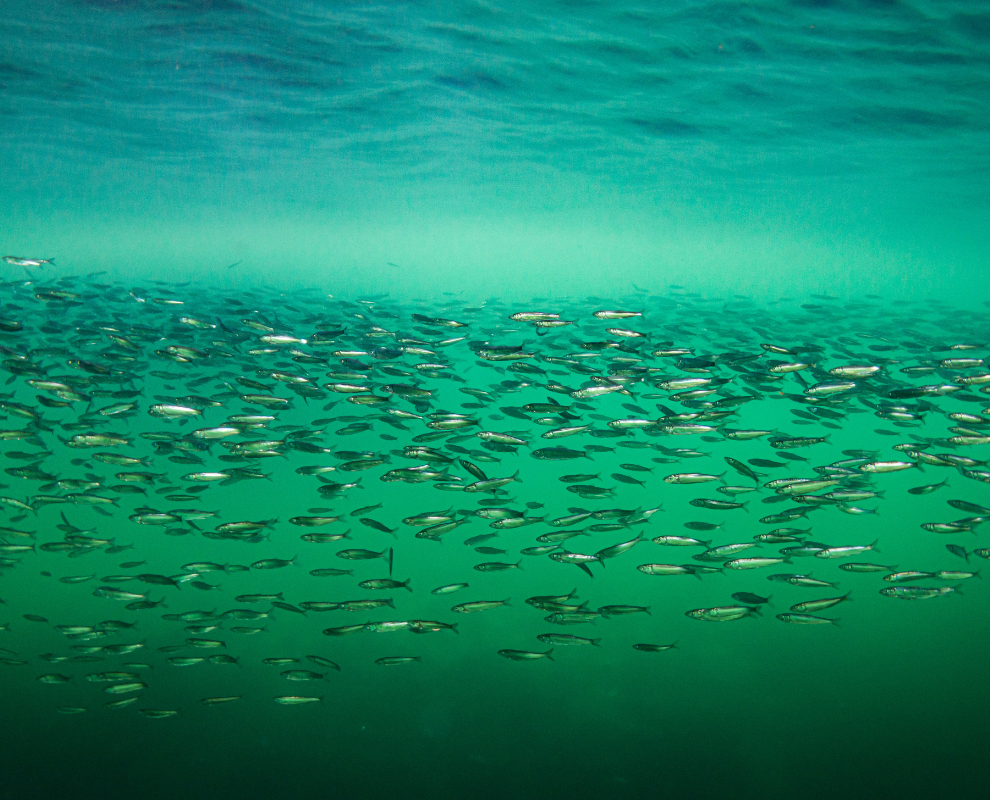
Our scientists are advancing field and laboratory research on oceanographic conditions, salmon diets and habitat use, and the interactions between salmon and herring.

Independent science
on pathogens and disease

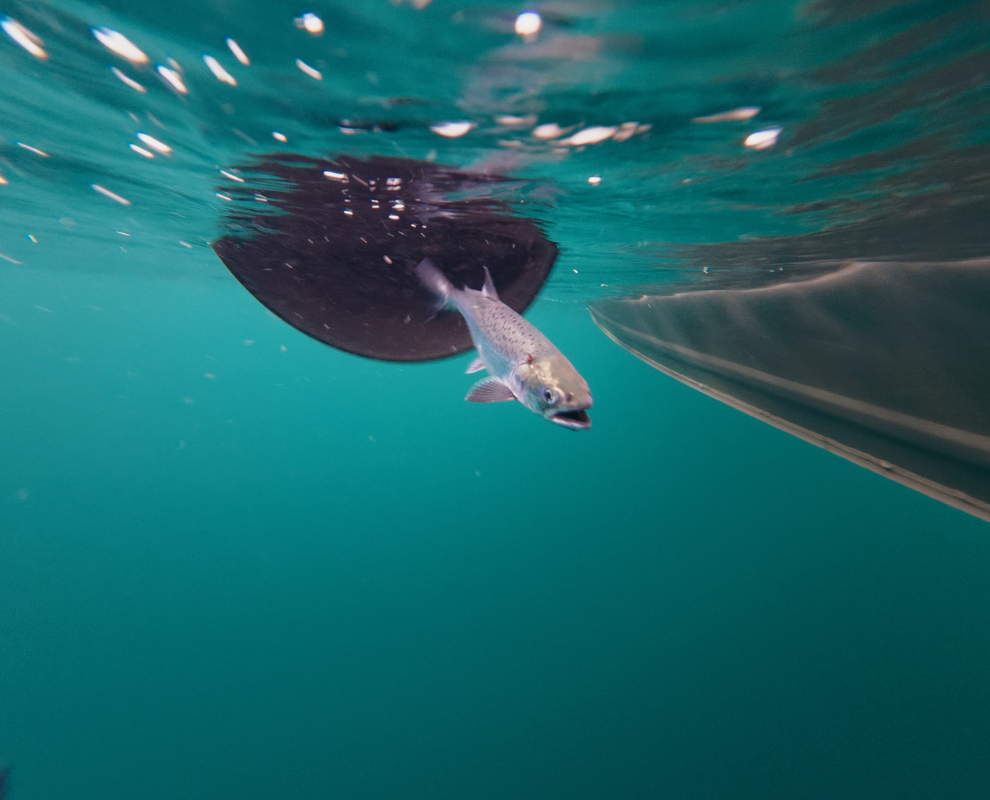
We study how pathogens, disease, and environmental stressors affect the health of wild salmon, including naturally occurring diseases and those that can spread from open-net pen farms.

Salmon Survival

Our scientists are on the water studying salmon’s first winter at sea, tagging at-risk populations, and researching the factors driving mortality.  

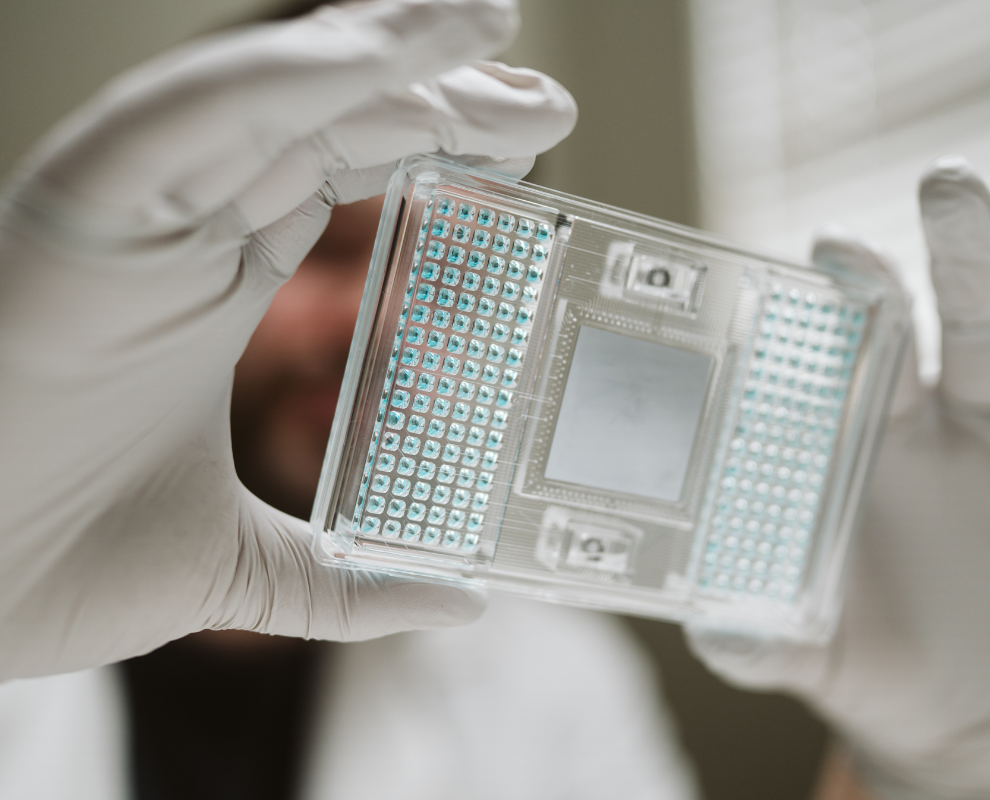
Innovative monitoring and diagnostic tools

Pioneering genetic stock-identification projects, screening fish for pathogens and disease, and developing methods to measure starvation in wild salmon. 

Working with First Nations

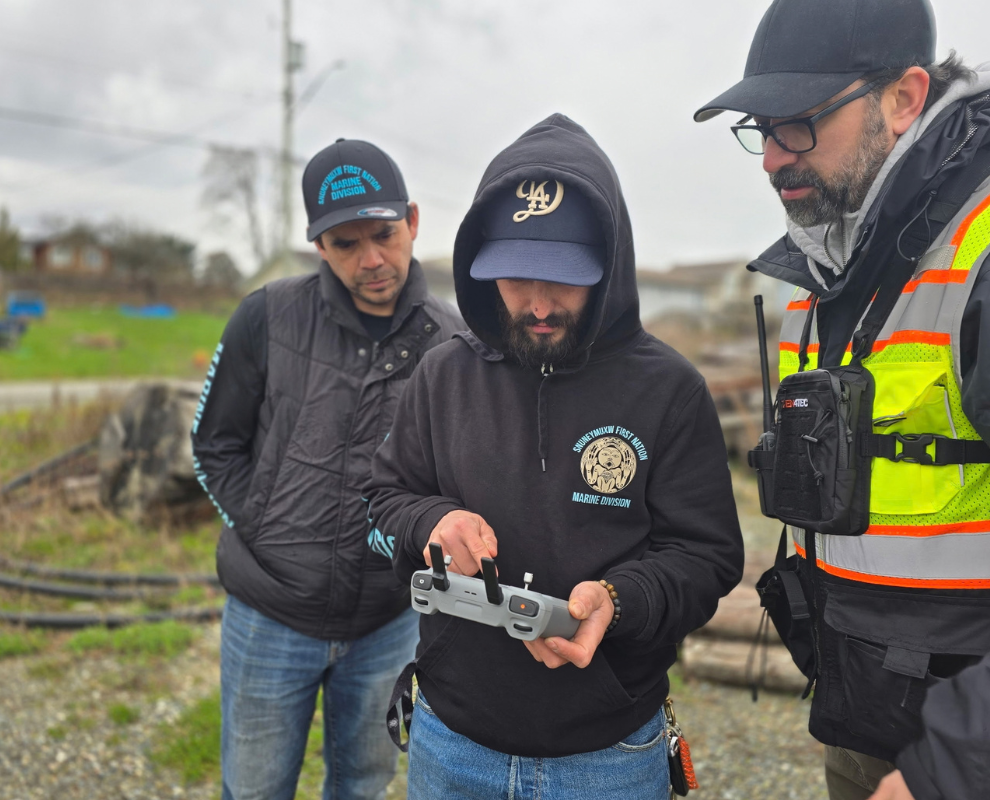
Partnering with First Nations to monitor herring and juvenile salmon, study predation, and improve data sharing. In one recent project, PSF and five Nations on Vancouver Island teamed up to monitor seals and sea lions in salmon-bearing rivers and estuaries.

Sign up for our newsletter

We’re uncovering the hidden story of salmon at sea. Sign up to follow our research.

What makes a salmon survivor?

PSF has tagged more than half a million Chinook, coho, and steelhead in hatcheries, rivers, estuaries, and the ocean off eastern Vancouver Island. We monitor these fish as they feed in the ocean and return to their spawning grounds. The data collected—including age, stock, species and returning river—have deepened our understanding of where and when salmon are dying in their life cycle. The information we’ve gathered will help improve fisheries management. 

Thank you to our funders

The Salmon Conservation Stamp — a decal anglers must purchase with their tidal waters licence to retain salmon — is the primary funding source for PSF’s Community Salmon Program. Every year, PSF stewards the proceeds on behalf of Fisheries and Oceans Canada (DFO) and amplifies them with generous donations to drive community-led salmon conservation. Thank you to the recreational fishers whose stamp purchases make this work possible and to the generous foundations, corporate organizations, and individual donors who help us scale our impact. PSF also thanks the Province of BC for their generous support of many of these projects.

Building on Past Work

For more than a decade,  PSF scientists have been tackling some of the biggest questions facing marine salmon science.

Explore the projects that inform our work today. 

  • Nearshore and estuary restoration

    PSF has worked to restore and research the estuaries surrounding the Strait of Georgia, where eelgrass and kelp provide critical habitat for juvenile salmon.
  • Measuring hatchery effectiveness

    B.C. hatcheries release roughly 300 million fish every year. This review evaluates how they survive and interact with wild salmon.

  • Seal and sea lion monitoring

    PSF, the BC Conservation Foundation, and First Nations partners on Vancouver Island have used drones and wildlife cameras to learn how seals and sea lions affect salmon in rivers and estuaries.

  • Resilient Coasts for Salmon

    Seawalls can worsen erosion and take away spawning beaches for forage fish. With the Stewardship Centre for BC, PSF has promoted nature-based shoreline alternatives on Vancouver Island’s east coast.

  • Invasive species detection

    PSF and the Coastal Restoration Society trained coastal communities in early detection of invasive European green crabs, which can compete with native species and damage nearshore habitat.

  • Citizen science oceanography

    Citizen Science enabled the Pacific Salmon Foundation to cost-effectively study the Strait of Georgia in real time, track the ocean conditions that drive food availability for salmon.

  • Salish Sea Marine Survival Project

    From 2014 to 2019, PSF and Long Live the Kings led 200 scientists from more than 60 organizations to find out why young salmon were dying in the Salish Sea.