
Pressures are stacking up against salmon, but there are solutions within reach!
2025 has been a big year for salmon, with headline-making returns of Fraser River sockeye and pink salmon. Habitat restoration initiatives, paired with productive ocean conditions, seem to be paying off! We see this as a return on investment for the many initiatives you have supported over the years.
However, as climate pressures stack up against salmon, it’s easy to feel that solutions are out of reach. But not all of them are.
Will you continue to fuel independent science, community collaboration, and strategy-building to remove identified barriers to salmon recovery?
Some of the most urgent and solvable threats facing wild Pacific salmon today are the direct result of human activity, including toxic contaminants, invasive species, and policy gaps that compromise salmon habitat and health. This is where we at PSF want to focus our efforts: removing threats we can control. And you can help.
Can we count on you for a gift of $50, $125, or even $250 this giving season?


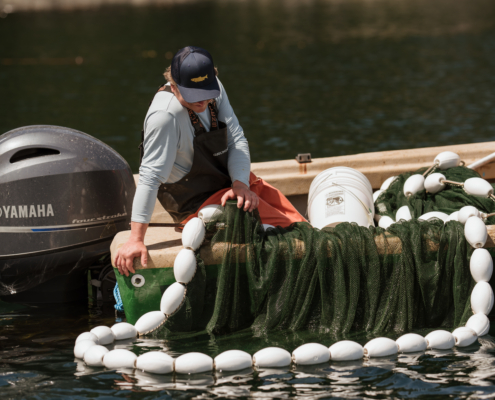
One key threat we have focused on in recent years is open-net pen Atlantic salmon farms. PSF has driven change on this issue by conducting independent science showing the well-documented risks open-net pen fish farms pose to wild Pacific salmon and actively advocating for their removal from B.C.’s waters. With the closure of farms in the Discovery Islands, salmon that depend on this area for migration, rearing, and feeding are finally getting a reprieve.
Thanks to donors like you, PSF’s Salmon Health Program is launching new monitoring efforts in the Discovery Islands. This will give us a better understanding of the “before and after” effects of farms on wild salmon to inform policy and potentially reverse a long-standing threat to salmon.
There are a number of identified threats we can do something about. And thanks to you, we are.
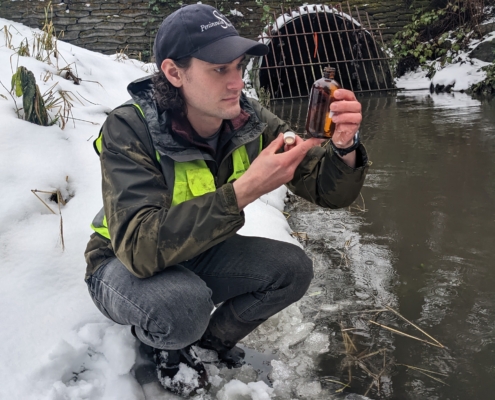
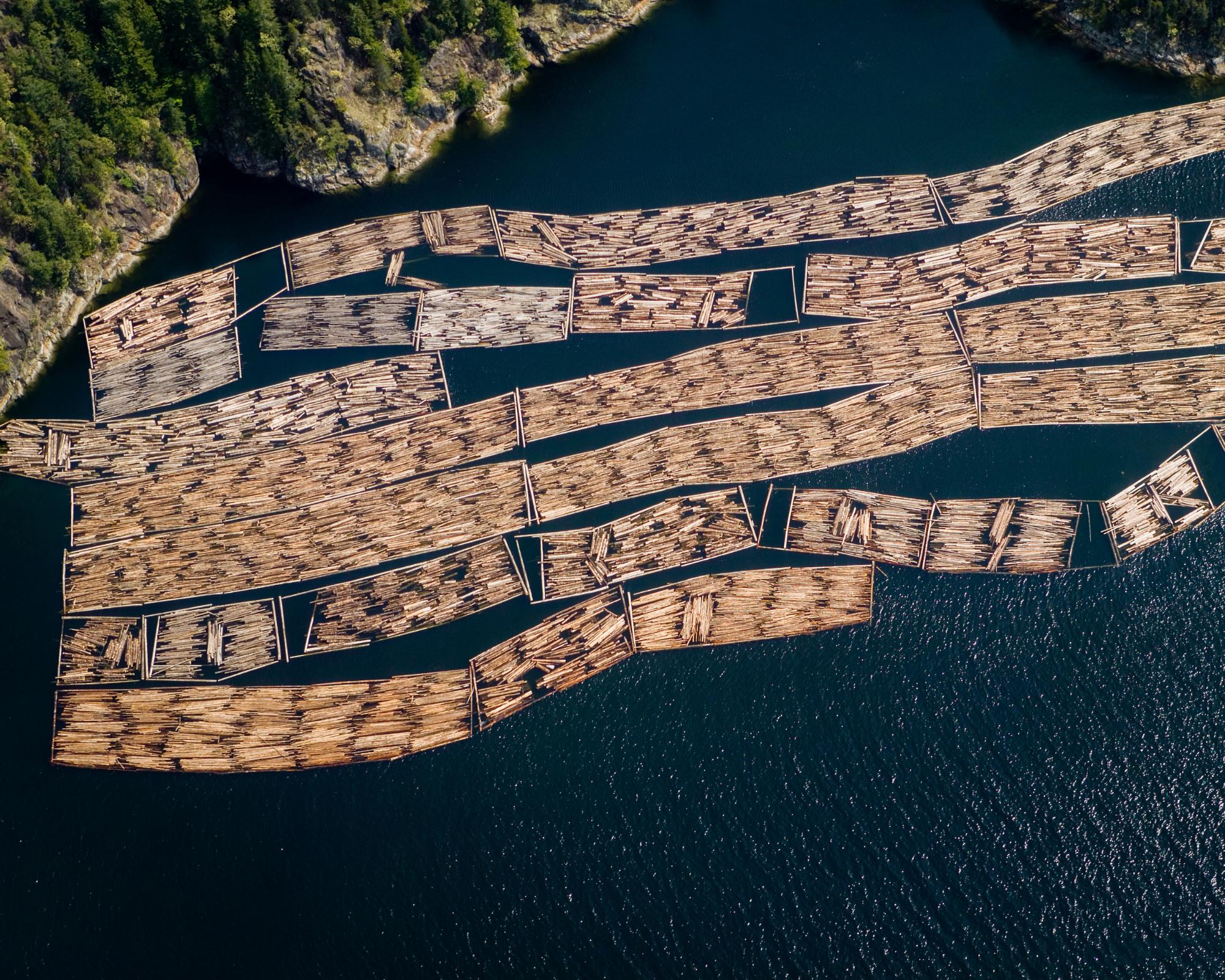
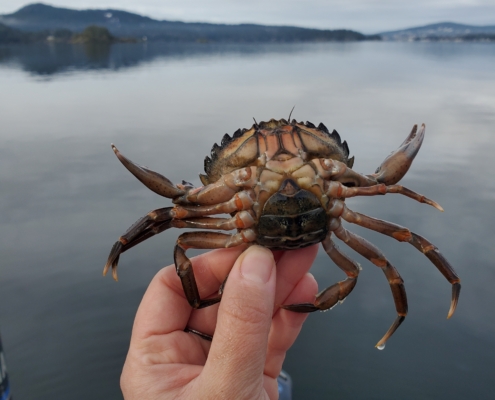
We’re addressing chemical contaminants like 6PPD-quinone, a tire toxin proven to be deadly to coho, by expanding research and supporting mitigation methods, including best practices guidance and funding for rain gardens. We’re working to reform log boom practices in sensitive estuaries, where stored logs degrade salmon habitat and create hunting platforms for predators like harbour seals. We’re advancing rapid response efforts to invasive species like European green crabs and preventing zebra and quagga mussels from taking hold in western Canada.
If you’d like to speak with our fundraising staff about how your gift can make a difference, please contact Krysten at kmaier@psf.ca or call us at 604-664-7664.