
 https://psf.ca/wp-content/uploads/2022/09/Bati-program.png
450
800
Connal McNamara
/wp-content/uploads/2022/04/PSF-Logo-2022-min.png
Connal McNamara2022-09-20 21:43:072026-07-27 16:03:32Overview of Broughton Aquaculture Transition Initiative (BATI) program
https://psf.ca/wp-content/uploads/2022/09/Bati-program.png
450
800
Connal McNamara
/wp-content/uploads/2022/04/PSF-Logo-2022-min.png
Connal McNamara2022-09-20 21:43:072026-07-27 16:03:32Overview of Broughton Aquaculture Transition Initiative (BATI) programSpeaking up for salmon
The future of Pacific salmon is being shaped by decisions made far from the water, through policy, management, and investment. We work to ensure salmon have a voice at the table when these decisions are made.
We bring independent science to those decisions and engage directly in the policy, regulatory, and budget processes that affect salmon and their habitats, from the transition away from open-net pen aquaculture to protecting salmon estuaries and keeping contaminants out of salmon streams.
Acting independently and wholly focused on Pacific salmon keeps us unbiased and constructive. We provide objective, non-partisan advice, backed by decades of trusted partnerships. Guided by our goal to accelerate salmon recovery, we work toward a future where salmon, and the ecosystems and communities that depend on them, can thrive.
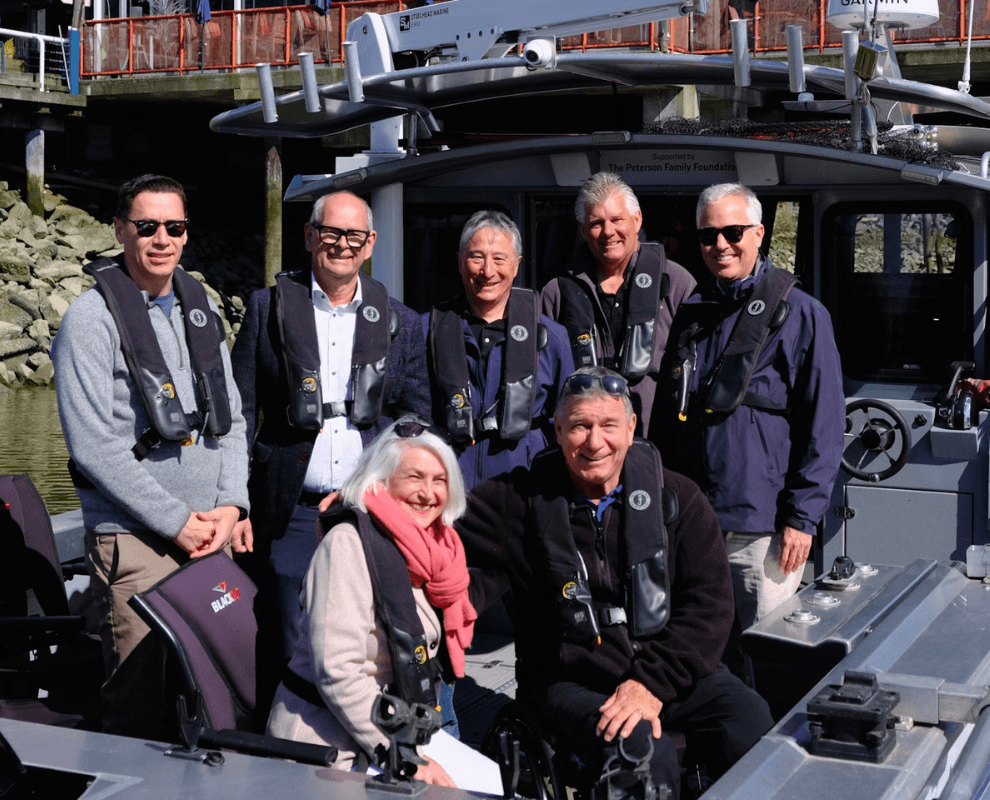
What We’re Focused On
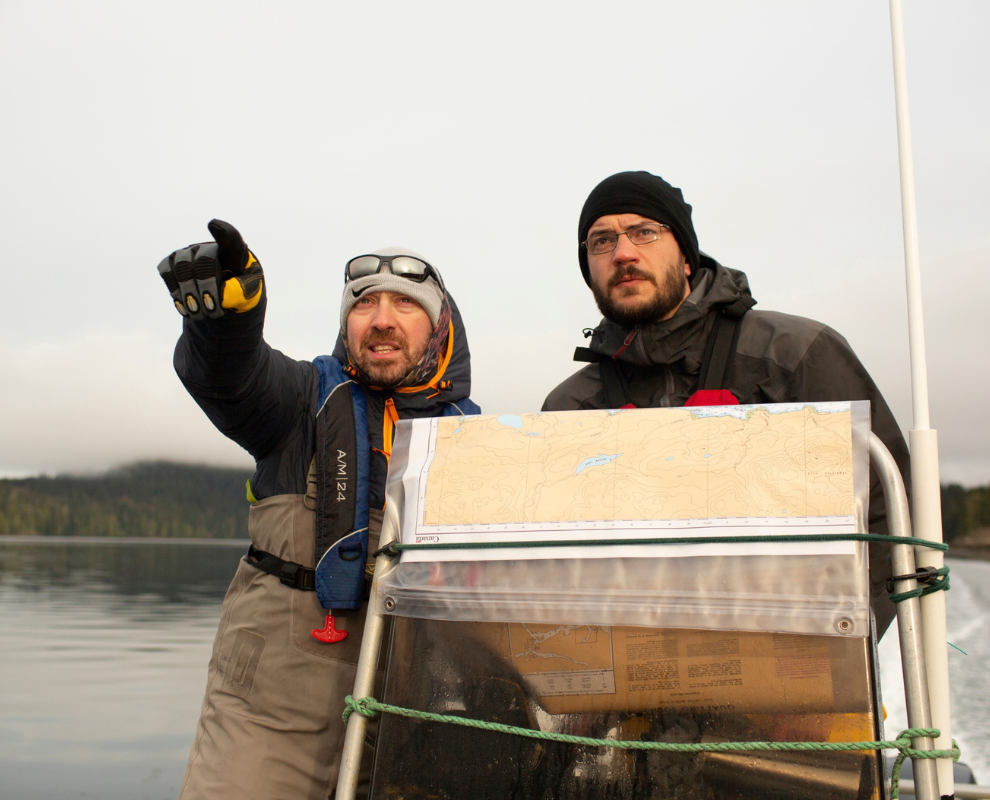
Our Salmon Health Team conducts research and publishes peer-reviewed science to better understand how environmental stressors—including infectious agents, disease, temperature, salinity, and oxygen levels—affect salmon survival.
We evaluate the impacts of open-net pen Atlantic salmon farms on wild Pacific salmon and advance innovative monitoring and diagnostic tools. Through this work, we produce the independent science needed to guide evidence-based actions and policies.
Established in 2022, the Salmon Health Team builds on the Strategic Salmon Health Initiative – a research partnership that was instrumental in developing new technology and building scientific consensus on how infectious agents affect the health of wild Pacific salmon in British Columbia.
What We’re Focused On
Making the case
for salmon
Recovering salmon takes political will and public support. We advocate for salmon as governments set budgets, update regulations, and shape policy. We also share what our research reveals about how salmon are faring and the threats they face, so decision-makers and the public understand what is at stake.
Building a coordinated system
for salmon recovery
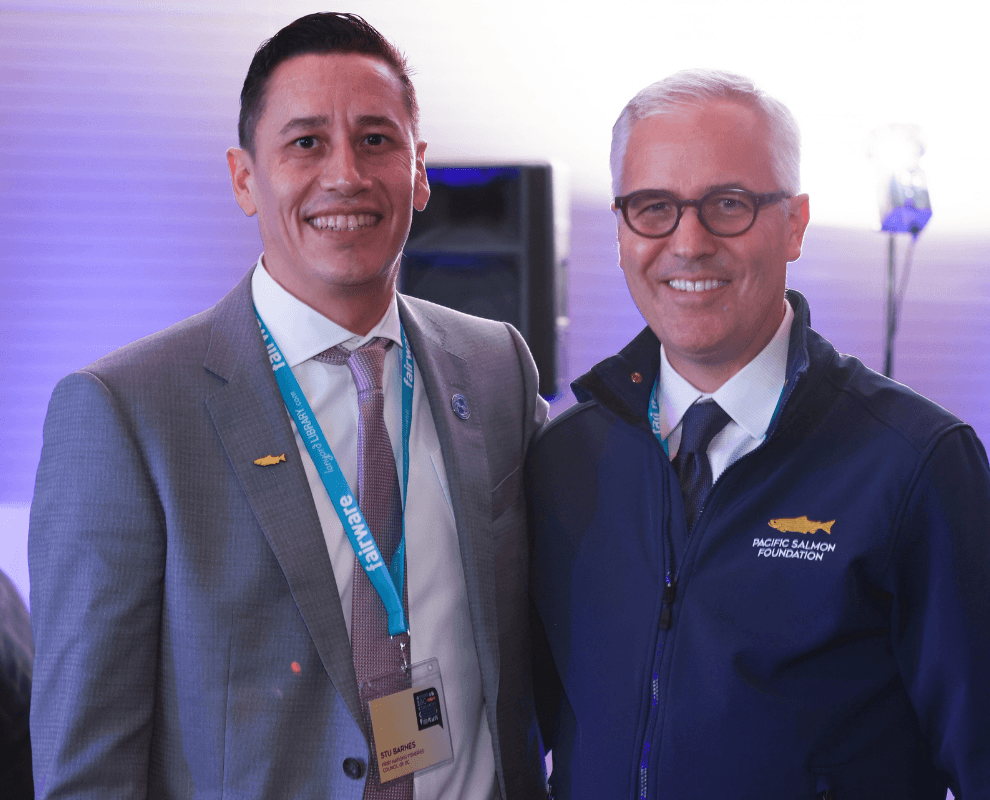
Where salmon are recovering in B.C., a coordinated plan typically supports it. Yet responsibility for salmon recovery remains fragmented across governments, jurisdictions, and programs. We are working with the First Nations Fisheries Council and partners to build a more streamlined approach that connects leadership, funding, and action at the provincial, regional, and watershed levels, so investments in recovery deliver better returns.

Advancing the transition away
from open-net pens
More than a decade of peer-reviewed research, led by PSF and partners, has shown that open-net pens, which raise non-native Atlantic salmon, pose risks to wild Pacific salmon. We continue to study these impacts, and we encourage the federal government to follow through on its commitment to ban open-net pens from B.C.’s coastal waters by 2029, supporting a transition to land-based closed containment that uplifts First Nations and coastal communities.

Removing log booms
from salmon estuaries
Salmon depend on healthy estuaries at both ends of their migration, yet log booms stored there can degrade habitat and give seals a perch to hunt from. Research led by Cowichan Tribes, with PSF support, found that booms in the Cowichan estuary reduce the survival of returning Chinook. We encourage industry and government to update log storage practices, including moving booms into deeper water, away from critical salmon habitat.
Tackling tire contaminants
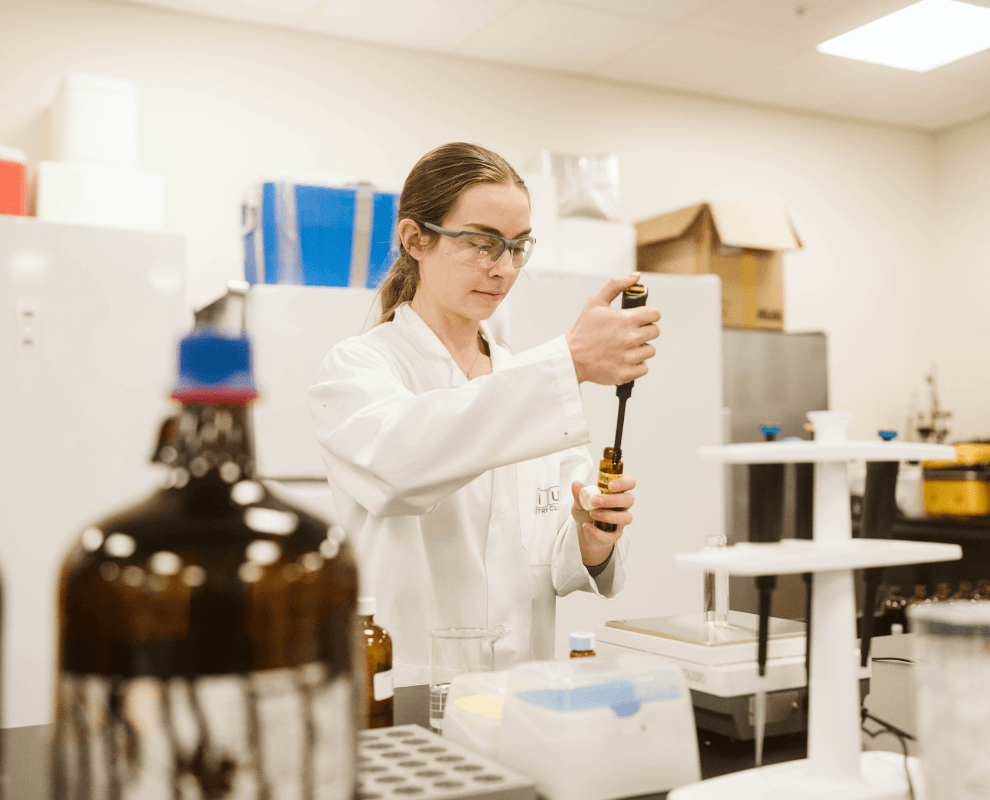
A chemical found in car tires, 6PPD-q, washes into streams and can be lethal to coho salmon. We fund and support the research needed to locate the hotspots where it’s harming salmon — and to inform solutions that keep it out of their habitat. The federal government is prioritizing environmental assessment of 6PPD-q following a request from PSF and partners, an important first step towards regulating this toxin.
A decade of science leads to policy action
In 2024, the Government of Canada committed to moving open-net pen salmon farming out of B.C.’s coastal waters — a decision informed by years of PSF and collaborator research linking these farms to risks for wild Pacific salmon.
Building on Past Work: Highlights
Strategic Salmon Health Initiative (2013 to 2020)
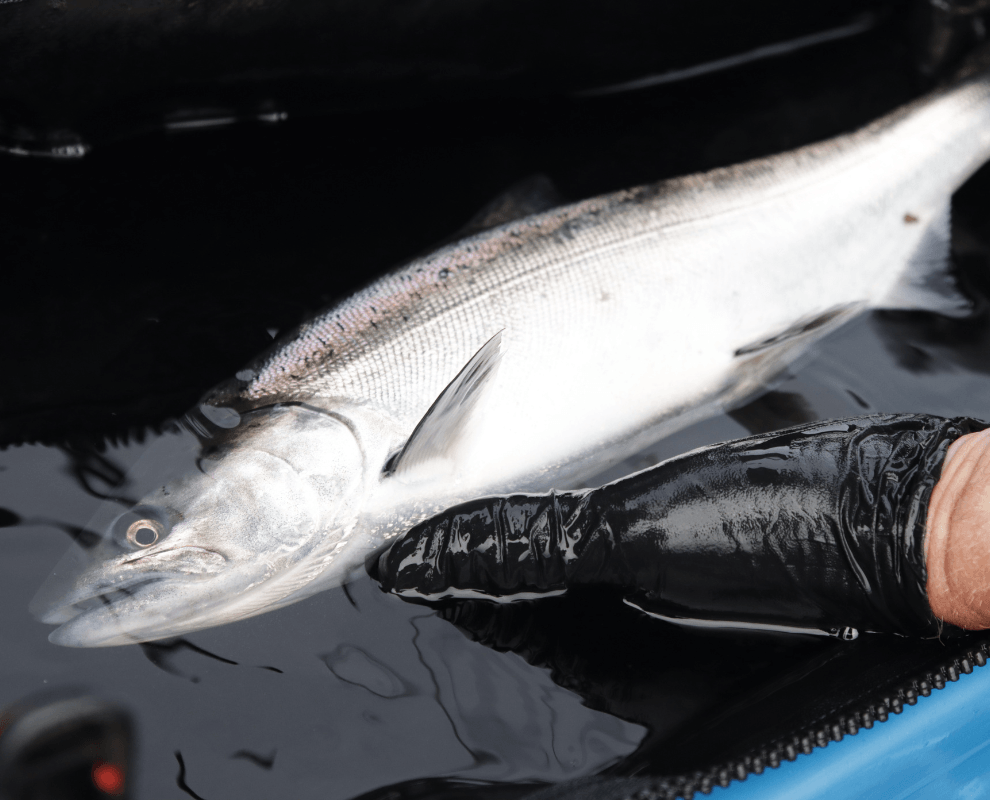
The eight-year Strategic Salmon Health Initiative was a partnership between PSF, DFO, and GenomeBC that embarked to better understand how infectious agents affect wild salmon health, where these agents come from, and interactions between farmed and wild salmon. The Strategic Salmon Health Initiative laid the foundation for PSF to launch our current Salmon Health research.
Broughton Archipelago Research Partnership
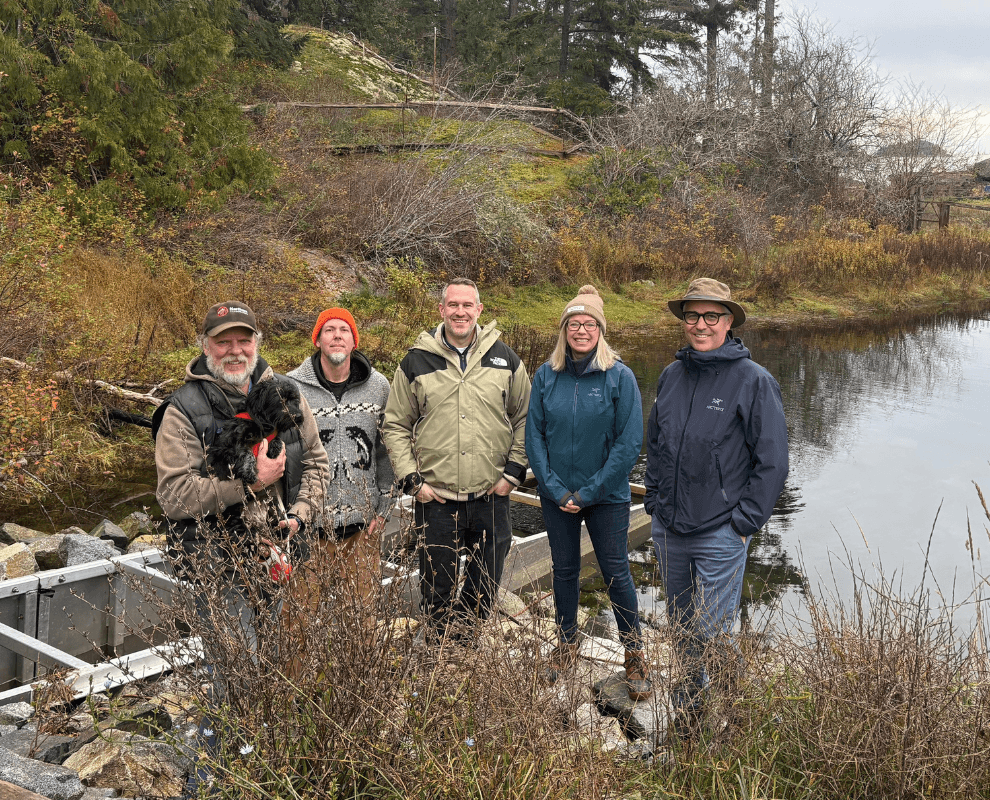
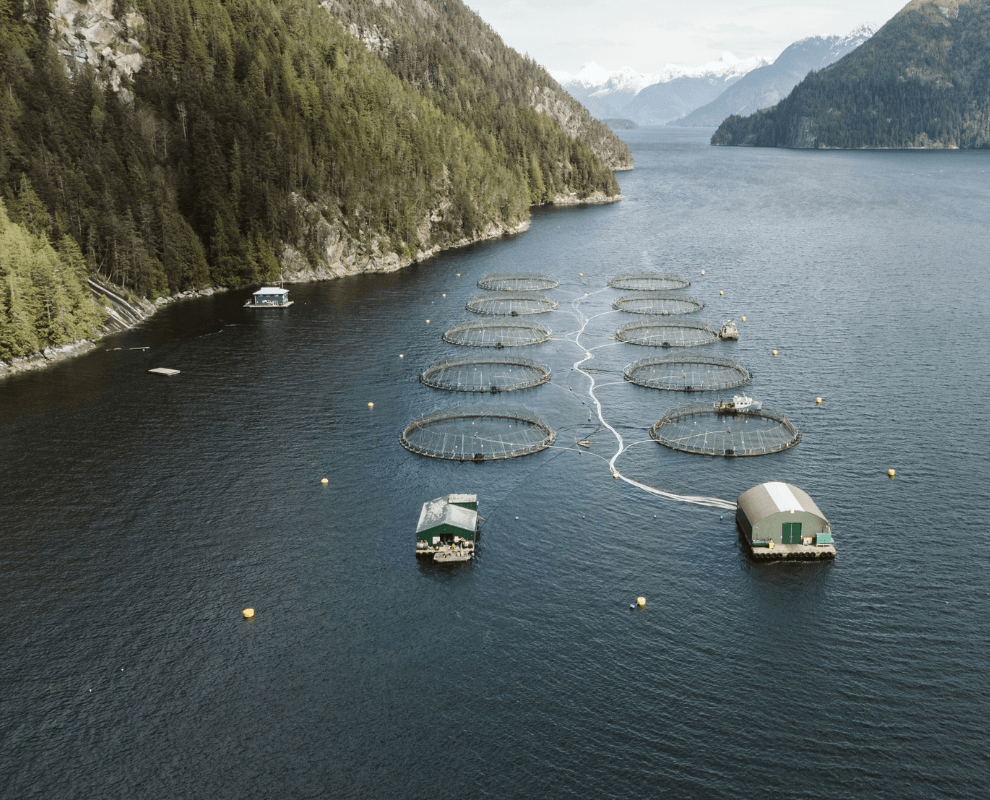
PSF was a close partner on the former Broughton Aquaculture Transition Initiative, a project led by the Mamalilikulla, ‘Na̱mg̱is, and Kwikwasut’inux Haxwa’mis First Nations. Through this project, partner Nations and PSF researchers conducted regular monitoring in and around the active and decommissioned open-net pen salmon farms.
News and Stories
https://psf.ca/wp-content/uploads/2022/09/Bati-program.png
450
800
Connal McNamara
/wp-content/uploads/2022/04/PSF-Logo-2022-min.png
Connal McNamara2022-09-20 21:43:072026-07-27 16:03:32Overview of Broughton Aquaculture Transition Initiative (BATI) program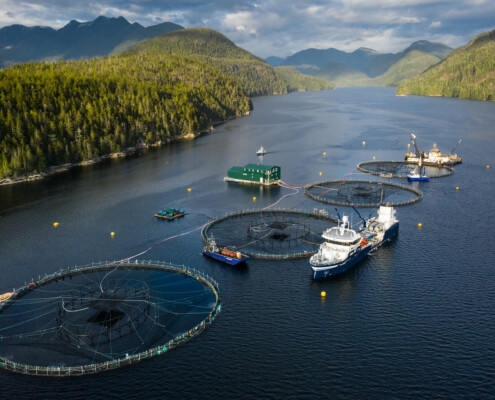 https://psf.ca/wp-content/uploads/2022/06/Tavish-Campbell-15.jpg
853
1280
Braela Kwan
/wp-content/uploads/2022/04/PSF-Logo-2022-min.png
Braela Kwan2022-06-22 19:41:092024-04-11 11:52:55PSF STATEMENT: Government of Canada outlines next steps in transition from open-net-pen salmon farming in British Columbia
https://psf.ca/wp-content/uploads/2022/06/Tavish-Campbell-15.jpg
853
1280
Braela Kwan
/wp-content/uploads/2022/04/PSF-Logo-2022-min.png
Braela Kwan2022-06-22 19:41:092024-04-11 11:52:55PSF STATEMENT: Government of Canada outlines next steps in transition from open-net-pen salmon farming in British Columbia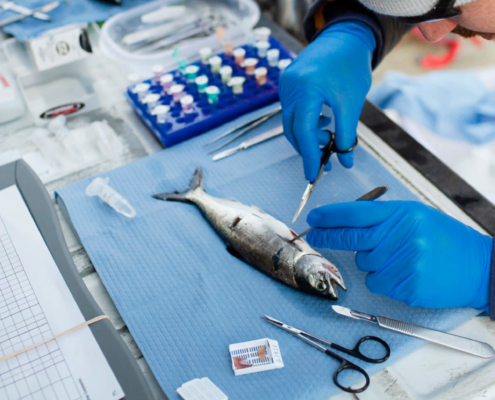 Amy Romer
https://psf.ca/wp-content/uploads/2022/06/Salmon-Health-Quatsino-Sound-2019_CREDIT-Amy-Romer-4-scaled-e1655505297623.jpg
972
2048
Connal McNamara
/wp-content/uploads/2022/04/PSF-Logo-2022-min.png
Connal McNamara2022-05-20 15:21:182024-04-11 11:53:10Salmon Health: Recent Studies Pack 1-2 Punch Against Open-net Salmon Farms
Amy Romer
https://psf.ca/wp-content/uploads/2022/06/Salmon-Health-Quatsino-Sound-2019_CREDIT-Amy-Romer-4-scaled-e1655505297623.jpg
972
2048
Connal McNamara
/wp-content/uploads/2022/04/PSF-Logo-2022-min.png
Connal McNamara2022-05-20 15:21:182024-04-11 11:53:10Salmon Health: Recent Studies Pack 1-2 Punch Against Open-net Salmon Farms