
Community Bursary Spotlight: Alyssa Joseph
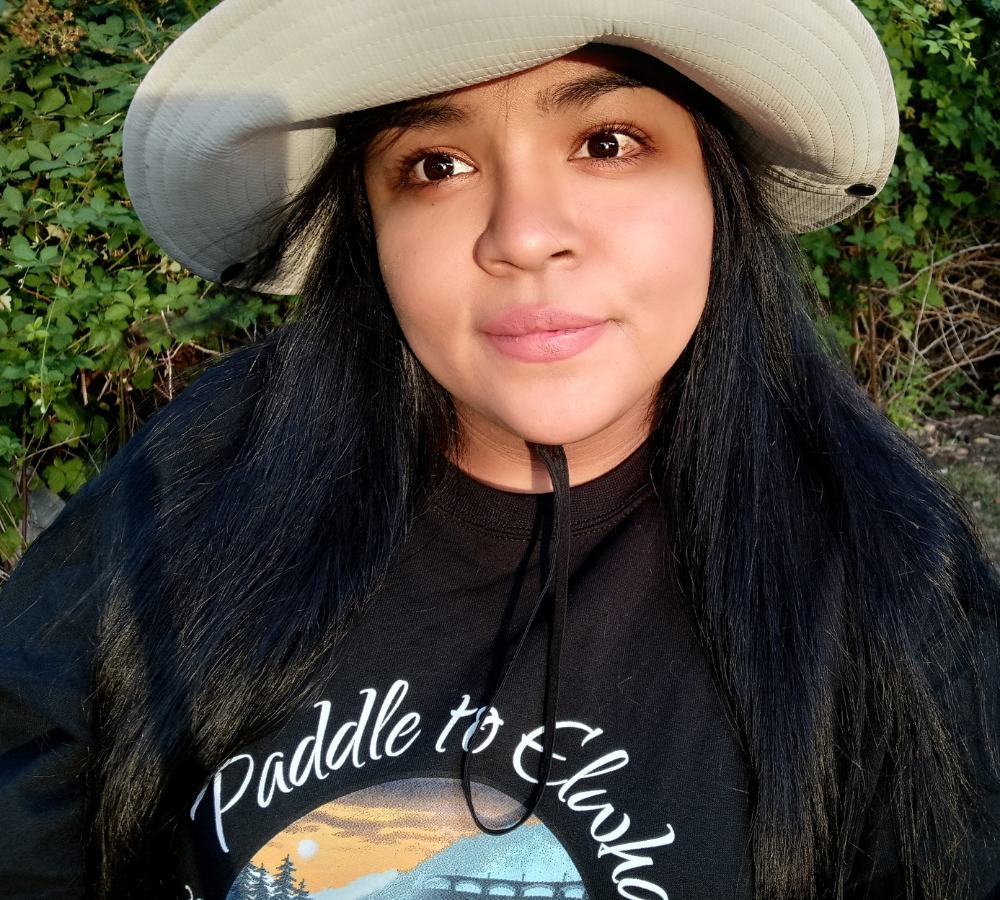
Meet Alyssa Joseph, a Malahat Nation Marine Guardian, graduate student, and steward whose work is helping document changes in salmon habitats. Each year, the Pacific Salmon Foundation (PSF) awards multiple $2,500 bursaries to emerging salmon leaders like Alyssa.
To be considered for PSF’s Stewardship Community Bursary, apply online by October 30, 2026.
Eligible applicants must be residents of B.C. or the Yukon, show financial need, and be enrolled full-time (second year and above) in a post-secondary program connected to salmon, preferably with some experience in stewardship organizations.
Read Alyssa’s Q&A below to learn more about her hands-on experience in salmon stewardship and M.Sc. research at University of Victoria.
Why do Pacific salmon matter to you?
Pacific salmon matter to me because they are deeply connected to who we are as W̱SÁNEĆ (Saanich) people and to the health of our lands and waters. Salmon are relatives and an important part of the relationships that connect our communities to rivers, forests, estuaries, and the Salish Sea.
They are also an indicator of the health of the ecosystems we depend on. When salmon are struggling, it tells us something about the larger system, from water quality and habitat loss to climate change and development. Protecting salmon therefore means protecting the relationships and ecosystems that sustain people, wildlife, and future generations.
Tell us about your experience as a Marine Guardian with the Malahat Nation Fisheries Department. What did you accomplish and learn?
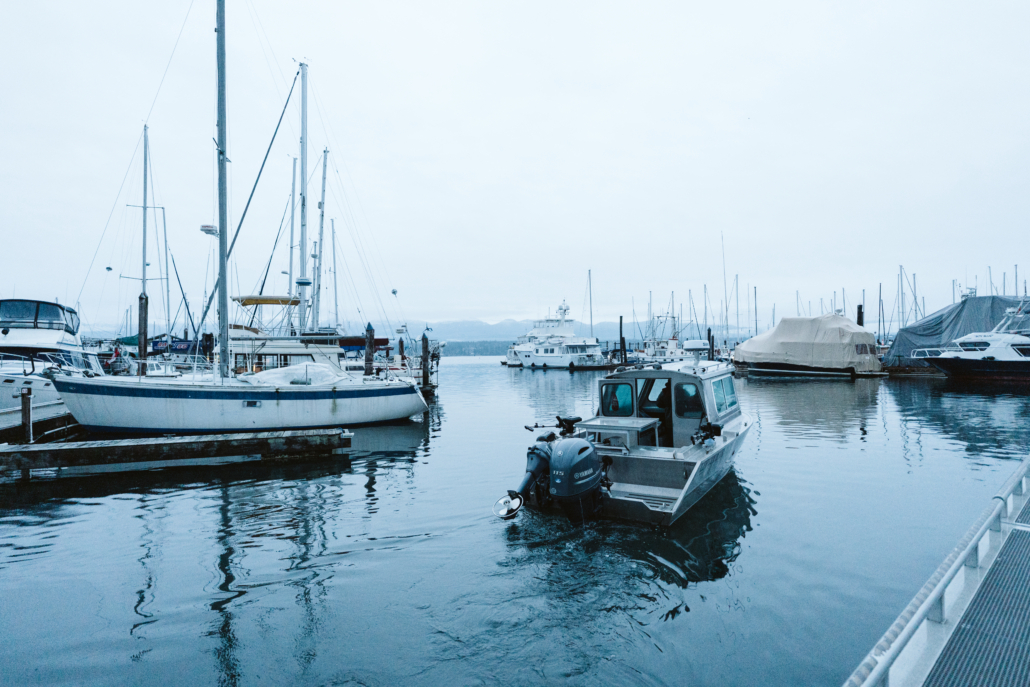
I had the opportunity to work directly on the water and contribute to the stewardship of our marine territories. I participated in environmental monitoring, observed industrial, commercial, and recreational activities, supported field and laboratory work, and helped document changes affecting marine and freshwater systems. I also supported cultural harvest activities and youth engagement around marine stewardship.
One of the most important things I learned was that environmental monitoring is about more than collecting data. Being present on the water allowed me to see how different pressures overlap and accumulate over time.
I also learned how important Indigenous presence and governance are to environmental protection. The experience strengthened my desire to build a career where scientific information can support Indigenous decision-making and our responsibilities to salmon and the waters that sustain them.
What have you learned from your M.Sc. in Environmental Studies?
Through my Master’s research, I have learned that salmon systems cannot be understood in isolation. Salmon health is connected to water quality, habitat, land use, climate, development, governance, and decisions made over generations. My thesis examines colonial impacts on wildlife and ecological relationships within W̱SÁNEĆ territories, including the systems that support culturally important species such as salmon.
What inspired you to pursue a PhD next?
My PhD will allow me to build on this work by examining Indigenous governance and environmental futures, with the goal of contributing to stronger Indigenous-led approaches to salmon and ecosystem stewardship.
My education and career are connected to a much larger responsibility to protect the lands and waters that sustain us. They are tools I am building to contribute more effectively.
What are your broader career goals and aspirations?
My long-term goal is to build a career in Indigenous environmental governance and stewardship, ultimately working toward a leadership role within my Nation’s Environment Department. I hope to help bring Indigenous laws and knowledge into environmental decision-making to protect salmon, healthy ecosystems, and the well-being of our communities.
Ultimately, I want to contribute to salmon restoration and stewardship across the Salish Sea while supporting Indigenous Nations in exercising greater authority over the lands and waters they have cared for since time immemorial. For me, salmon conservation is ultimately about protecting a living system that connects us all.
How has the PSF bursary supported you?
The Pacific Salmon Foundation bursary allowed me to dedicate more time to my research and community involvement, rather than focusing as heavily on meeting the financial demands of graduate school. It has also been meaningful to know that organizations and people committed to salmon conservation see value in my work.
What advice would you give to other students considering salmon conservation as a career?
My biggest advice would be to spend time with the people and places you hope to work for. Get out on the water, volunteer, participate in fieldwork, learn from communities, and don’t be afraid to ask questions.