
Salish Sea Marine Survival Project
The Salish Sea Marine Survival Project represents years of international collaborative research aimed at understanding a key question for Pacific Northwest salmon recovery: what is limiting the survival of juvenile salmon and steelhead in the Salish Sea? Since 2013, over 60 partner organizations and 200 scientists in the U.S. and Canada have contributed to the project, the largest and most important research of its kind in the shared waters of British Columbia and Washington State. This massive effort, coordinated by project leads Long Live the Kings and the Pacific Salmon Foundation, has developed the first comprehensive knowledge base of the environmental factors impacting salmon survival as they enter marine waters.
The findings, summarized in the 2021 Synthesis Report, paint a complex picture of the interrelated factors at play in this critical early stage of the salmon life cycle. The body of evidence points to changes in the food web – both the availability of food for salmon, and the increasing impacts of salmon predators – as the largest contributors to declining marine survival, with habitat loss, pollution, and disease also affecting local populations. As partners continue to pursue further research to refine our understanding of these issues, the final results of the Marine Survival Project are already informing management decisions and providing new strategies to stop the slide toward extinction, recover salmon, and ensure a future for sustainable fisheries.
Sea Change
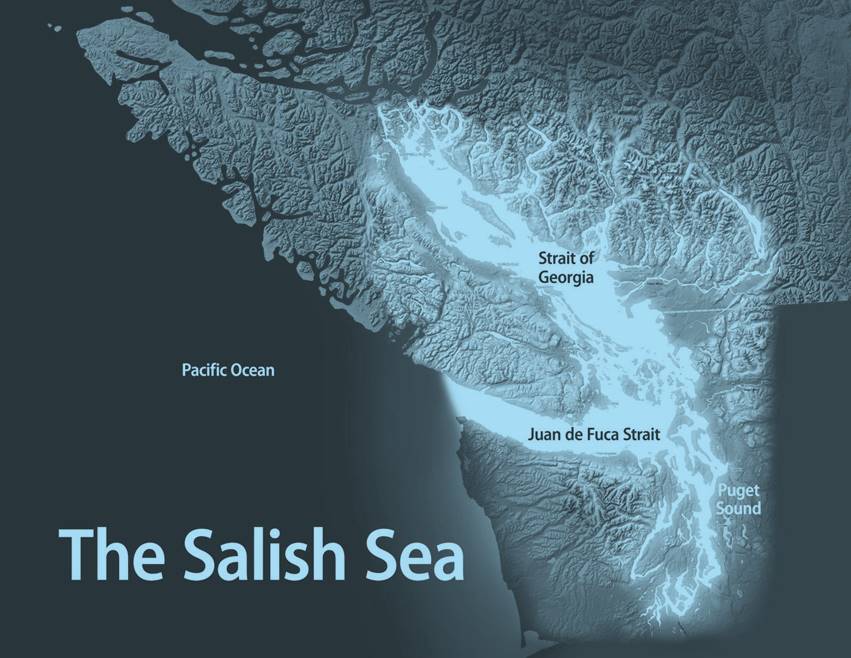
The Salish Sea ecosystem has changed significantly over the period in which salmon populations have declined. Changes have included increasing water temperatures, increasing acidity, more harmful algae, the loss of forage fish and some marine commercial fishes, changes in marine plants, and more seals and porpoises. Understanding how these changes interact with one another and influence salmon survival was a key goal of the Marine Survival Project.
About the Project
Economic
 Recovering Chinook, coho and steelhead in Puget Sound and the Strait of Georgia will have a tremendous economic up-side for recreational, commercial, and tribal fisheries and related industries such as tourism.
Environmental
 Salmon serve as a key indicator of the condition of the Salish Sea. Addressing what’s causing salmon declines will also influence challenges facing other species (i.e. killer whales) and move us toward a healthier and more productive environment for our region’s people.
Cultural
 Salmon are iconic in the Pacific Northwest and have significance across ethnic and cultural lines. Their health preserves tribal and First Nations treaty obligations and sustains a sense of place for the people of the Washington State and British Columbia.
Canadian Research Summaries Report
 The Strait of Georgia, part of the Salish Sea, supports approximately 3,000 species of marine life, including all seven species of Pacific salmon. Further, the Strait of Georgia is fundamental to sustaining the diversity of Pacific salmon in southern B.C. Changes in the marine ecosystems of the Strait have been significant, including the loss of forage fishes, changes in marine plants, increases in seal populations, losses of some marine commercial fishes, and recently the introduction of several invasive species.
The Canadian Program Summaries Report details research and outcomes for the Canadian portion of the Salish Sea Marine Survival Project.